Retail
Reporting on the retail trade: formats from concept shop to outlet mall, how markups and sale calendars are set, resale and secondhand growth, the economics of returns, and what physical stores now do that screens cannot. Written for shoppers who want to understand the machinery behind a price tag.
How retail operates.
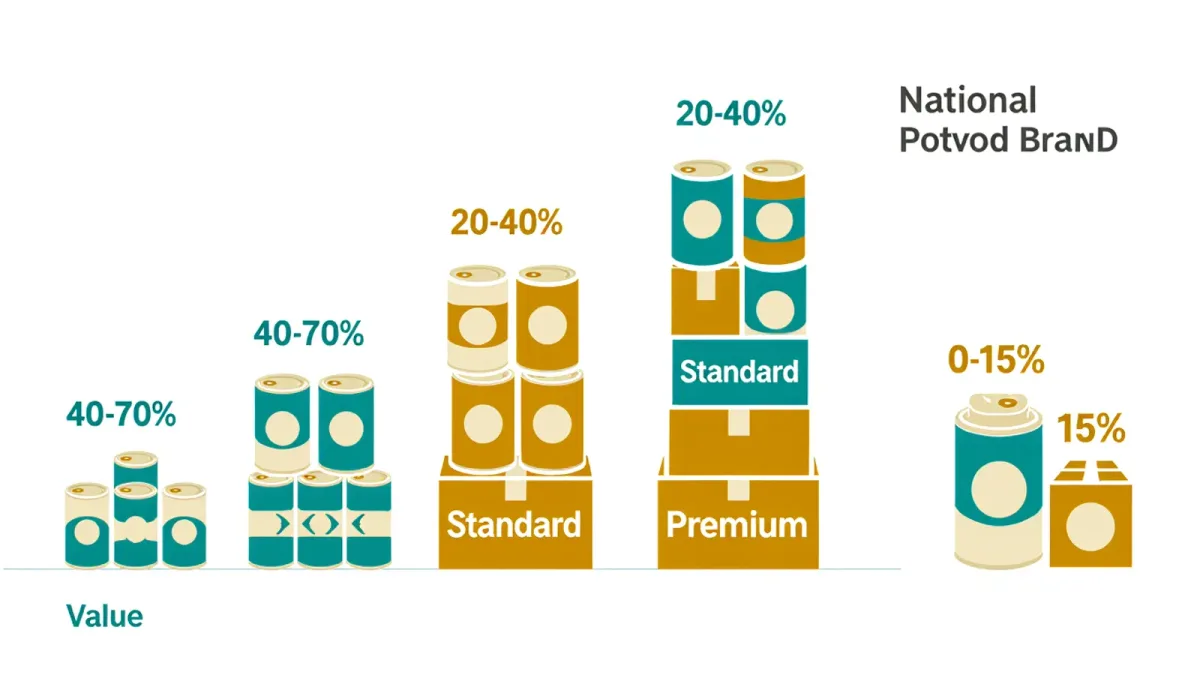
Many store brands come off the same factory lines as name brands — retailer private label hit over $270 billion in US sales in 2024, and knowing which categories to switch saves 20–40%.
Costco's merchandise margins run near 11% while membership fees brought in $4.8 billion in fiscal 2024 — the fee business model, and when the math works for a family.
Direct-to-consumer brands skipped wholesale — and mostly kept the margin: a $95 DTC sheet set often costs $12–$20 to make and ship, with the savings spent on Facebook ads instead.
That tiny tag inside the collar is why your size shows in stock online: RFID lets a store read hundreds of items a second, and by 2025 it was standard at major apparel chains.
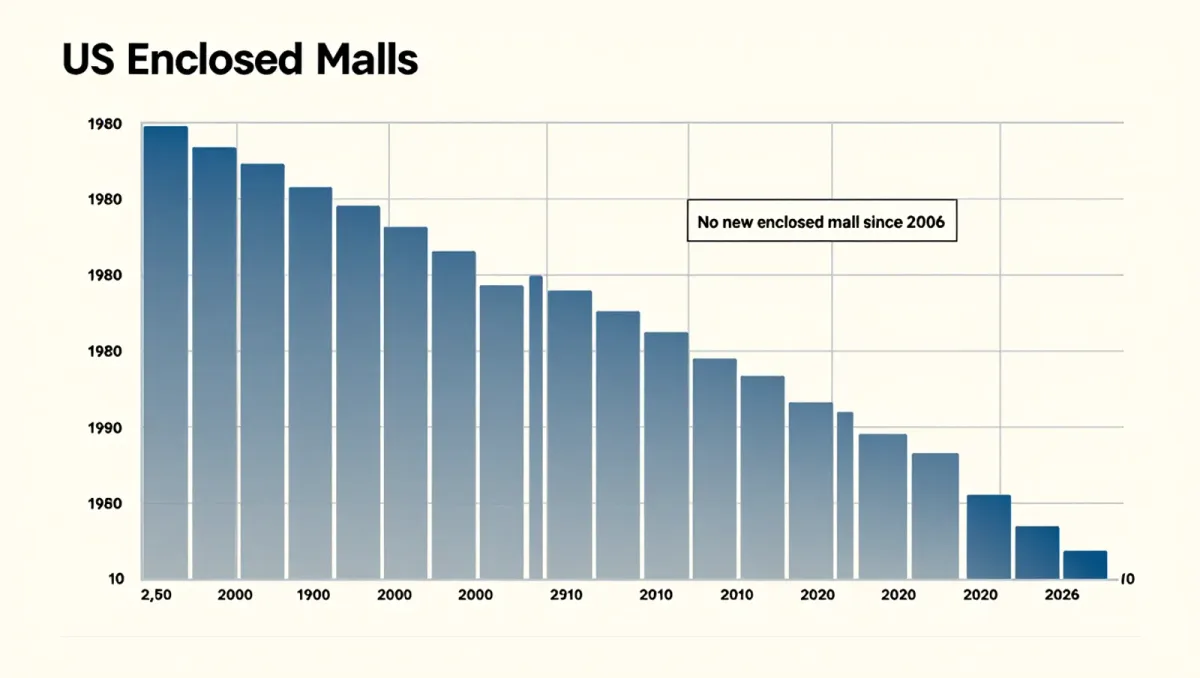
Enclosed malls fell from about 2,500 at the 1980s peak to roughly 700 functioning ones today — the statistics behind the decline and where the survivors concentrate.
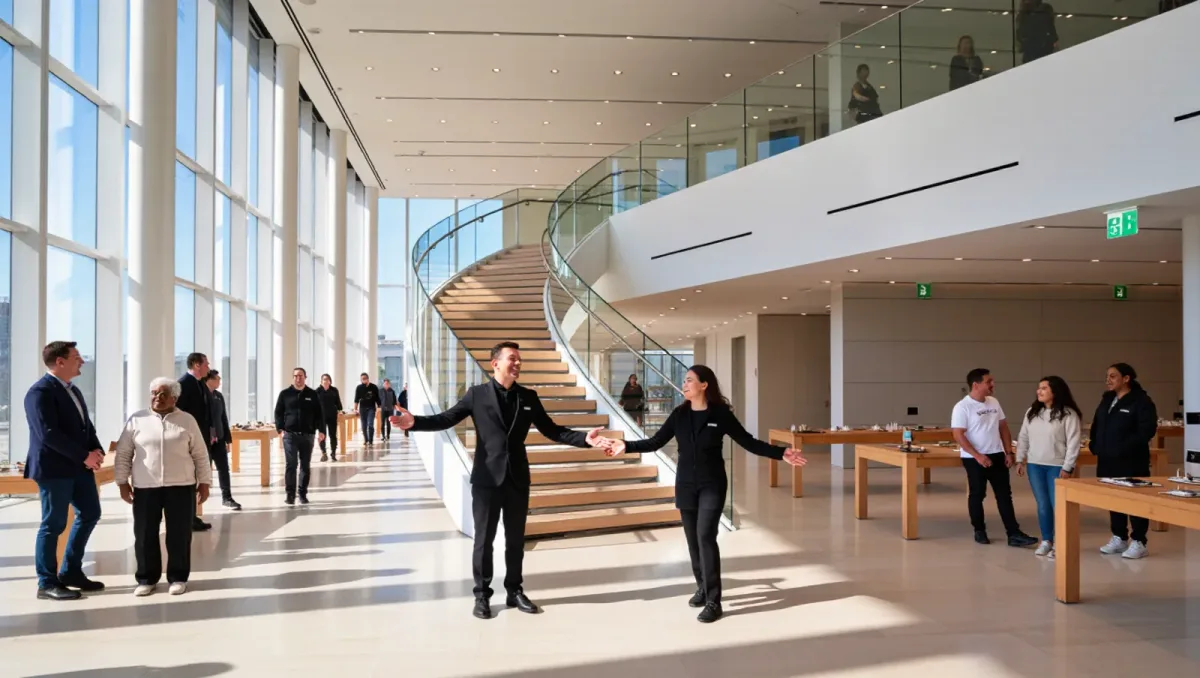
A flagship store is a brand's most expensive advertisement: Apple's Fifth Avenue cube, Nike's House of Innovation and Zara's mega-stores are media buys with fitting rooms.