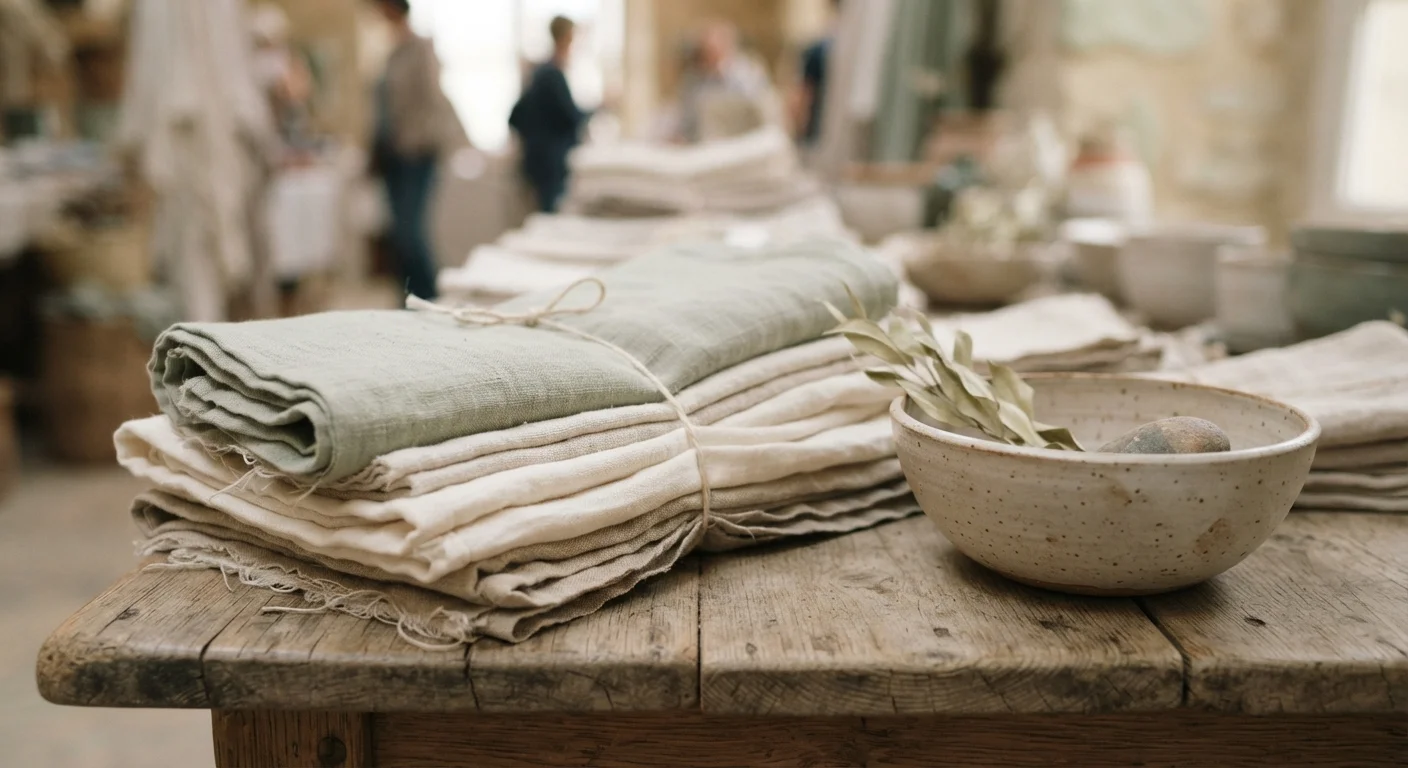
How to Bring Textiles Home Without a Customs Surprise
Travelers returning to the US get an $800 personal exemption, and textiles are the category most likely to owe duty above it.
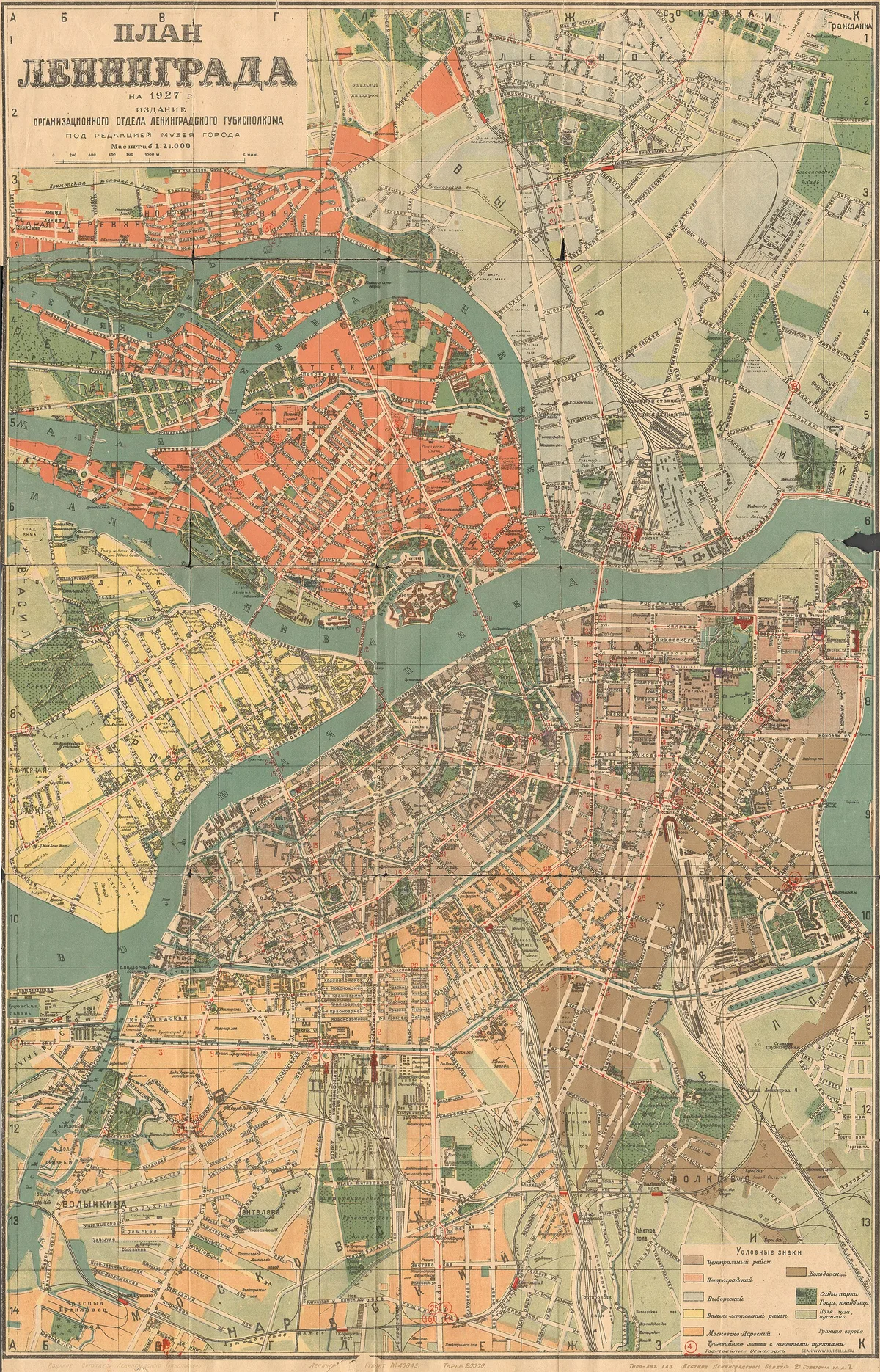
Route-based guides for a shopping trip: which streets to take in what order, the opening hours dictating that sequence, transit stops, places to leave bags, and where to stop for lunch. Routes get walked before publication. Suited to a visitor with one free morning and a specific list.
Walking routes through a shopping city with hours, transit stops, lunch stops and the order to visit in, tested so a morning does not end in backtracking.

Travelers returning to the US get an $800 personal exemption, and textiles are the category most likely to owe duty above it.

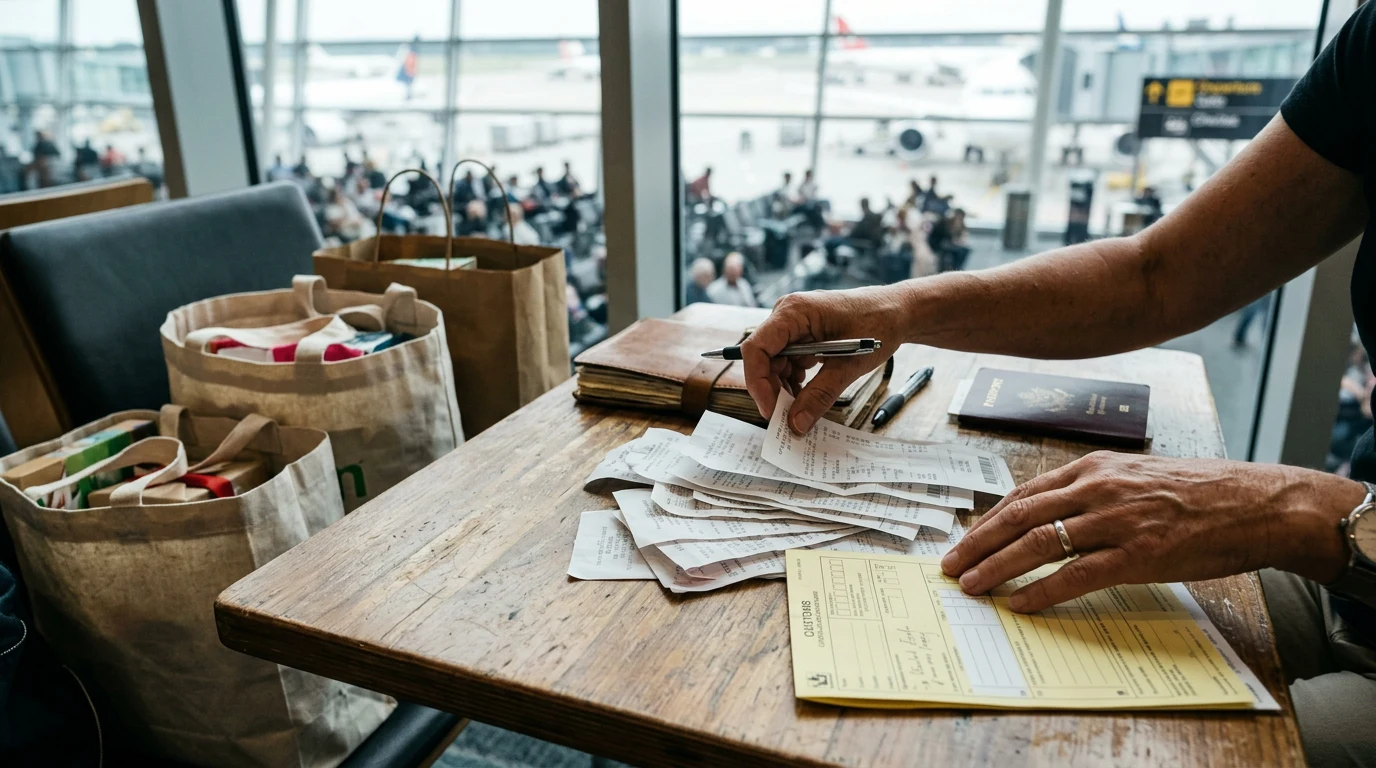
Most returning travelers get $800 in duty-free purchases before Customs starts charging. Here's how that number actually works, what counts against it, and what happens if you go over.
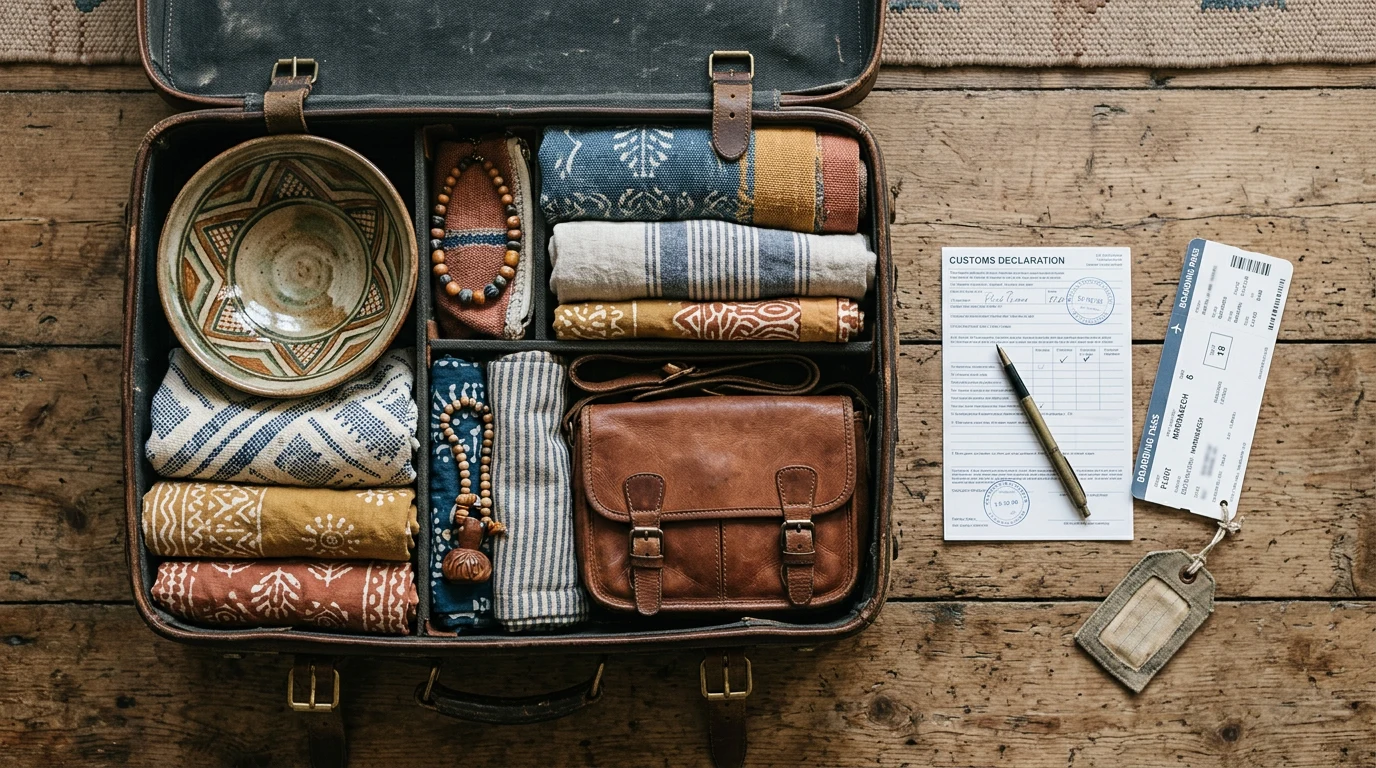
A category-by-category verdict on flea market shopping — where prices genuinely beat retail, and where the stall is the most expensive store in town.

The real trade-offs of buying a watch outside the authorized network — warranty, provenance, and price — and when the discount is worth it.

What separates a $60 cashmere sweater from a $400 one — fiber length, ply, and grading — and the touch tests that work at any price point.

The 2026 landscape of price comparison — browser extensions, price-history trackers, and marketplace search — and the workflow that catches real discounts, not fake ones.

Backstamps, selvages, and labels that tell you where a ceramic or textile was really made — and the marks that legally mean nothing at all.

What "made in Italy" and "made in Portugal" actually tell you about a pair of shoes, and the five construction checks that matter more than the label.

A strategy for buying gifts on a trip — which goods survive the suitcase, which age well, and why the best gift is rarely the one at the airport.