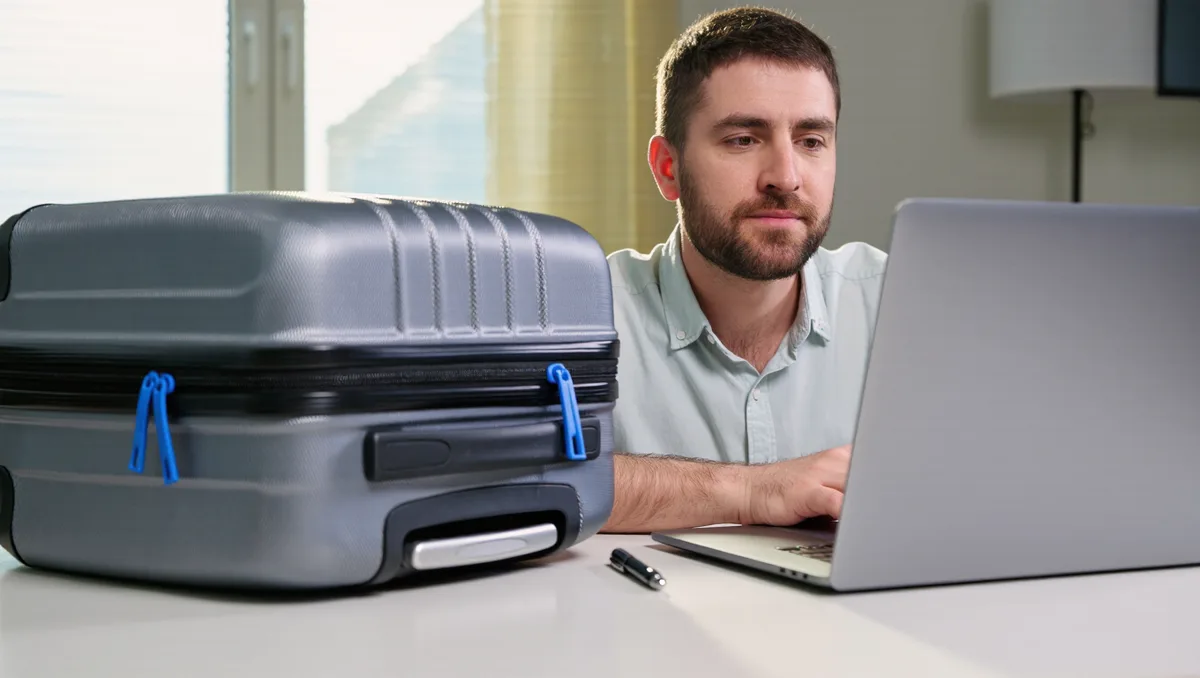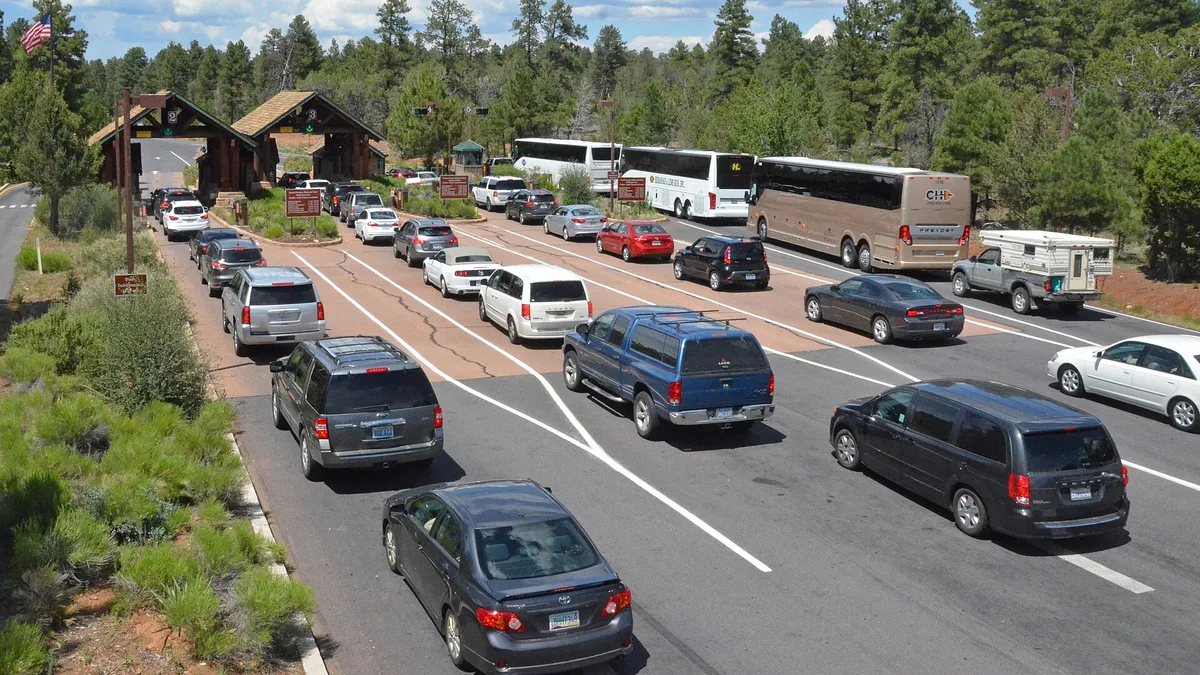
Most road trips fail on day two. The plan looks fine on a map: six hours of driving, a scenic stop, dinner in a new town. Then a two-hour traffic jam, a driver who can barely keep their eyes open, and a motel chosen at 10 p.m. because nothing else was open. Good road trip planning tips all point at the same fix — build the route around human limits, not map distances.
The honest rule: plan fewer miles than you think you can cover, and plan the rest stops before you leave. A realistic driving day for most people is four to six hours behind the wheel, not the eight to ten that look achievable when you sketch the route on a screen. This guide covers how to build a route, when to stop, and which detours are worth the time. Readers following this should also see Flea Markets: The Seven Finds Worth Buying and Three to Leave Behind.
How far should you actually drive in a day?
Start from time, not distance. Four hours of driving on a fast interstate covers far more ground than four hours on a two-lane road through hills. Check the estimated drive time for each leg, then add a buffer of roughly 20 to 30 percent for fuel stops, food, restrooms, and slowdowns. If the buffer turns a five-hour day into seven, cut something.
Fatigue is the reason for the buffer. Drowsiness slows reaction time, and the effect builds across a long day even if you feel fine at lunch. If two people share the driving, you can stretch the day. If one person drives everything, keep the wheel time short and arrive early enough to rest before the next morning.
What this means for your plan: pick a daily drive ceiling before you pick destinations. Destinations then fall inside the ceiling instead of the ceiling stretching to fit the destinations.
How do you build a route that doesn't collapse on day two?
Work in this order:
- Fix your overnight stops first. Lodging in popular areas sells out, and a late arrival with no booked room is the most expensive mistake on a road trip.
- Place one anchor stop per day — a park, a town, a museum — and route around it. One anchor keeps the day interesting without turning it into a checklist.
- Check drive times between each pair of stops, not just the total. A route that reads as one number hides a four-hour stretch with no services.
- Identify fuel and food gaps. Long stretches of rural highway can run an hour or more between open stations. Fill up before the gap, not inside it.
- Leave one slot per day unplanned. It absorbs weather, a closed road, or a stop you didn't know you wanted.
If you need a general framework for the trip itself — budgets, bookings, documents — the same logic appears in The Beginner's Guide to Planning Any Trip: A Step-by-Step Framework. Road trips add one layer: the driving day is a physical event, and it needs recovery time the way a hiking day does. We covered a connected angle in The Beginner's Guide to Planning Any Trip: A Step-by-Step Framework.
When should you stop, and for how long?
Stop before you need to. A short break every two hours or so — get out, walk, eat something real — does more than one long meal stop at the end of a six-hour push. The walk matters more than the coffee.
Watch for the warning signs in yourself and your passengers: drifting within the lane, missing turns, yawning that won't stop, losing track of the last few miles. Any one of them means the next rest area, not the planned one. Switch drivers when you can. When you can't, the day got shorter — accept it and book the extra night if you have to.
Not every stop should be functional. The best road trip itineraries trade a little speed for one place worth lingering in each day: a diner in a town you'd otherwise pass, a short trail, a viewpoint with actual parking. Mark these in advance so a lingering stop is a decision, not a detour that eats an hour you didn't have.
How do you plan around weather and traffic?
Check the forecast for the whole route, not just the destination. Mountain passes and desert stretches can run twenty degrees different from the city you start in, and rain changes drive times more than most estimates assume. If a storm day sits in the middle of your route, move the short-drive day to that date rather than hoping.
For the day itself, live traffic tools earn their keep. According to Waze, its live map provides driving directions with real-time traffic and road conditions updates — useful for catching a closure or a jam before it's in your windshield rather than after. Build the habit: check conditions each morning before you commit to the day's leg, and again at your last stop before a long rural stretch where rerouting gets hard.
Two practical habits that follow:
- Download offline maps for remote legs. Cell coverage drops exactly where you most need a reroute.
- Know your alternate. For each long leg, glance at a second road that roughly parallels your main one. You won't need it often; when you do, you'll be glad it exists.
Which stops are worth lingering at — and which aren't?
Worth lingering: places you can't see anywhere else, places with real food rather than fast food, and anything that gets you out of the car and moving. A thirty-minute walk resets a driver better than another soda. Small towns with a Main Street you can cover on foot make excellent lunch stops because the stop has a shape to it.
Not worth lingering: attractions whose entire experience is a photograph from the parking lot, and roadside stops that exist mainly to sell you things you'd never buy at home. If the stop's main activity is shopping and the shopping is generic — the same souvenirs you'll see at the next three exits — keep it short or skip it. If you do want a shopping stop, make it a real one; our Guides section covers how to judge quality and price before you pay, whether the goods are local crafts or leather.
Our analysis, after building a lot of itineraries: the trips people remember are defined by two or three stops, not twenty. Cut the middle of the list hardest. The stops you'd rank fourth through eighth are the ones that turn a good day into a rushed one.
What should you sort out before you turn the key?
A short pre-departure list, in order of what actually strands people:
- Vehicle basics: oil, tires including the spare, coolant, and a charger cable that fits your phone. A flat spare or a dead battery costs more time than any planning error on this list.
- Lodging for the first two nights at minimum. Later nights can stay flexible, but the first two anchor the trip.
- Offline maps and one paper map as a backstop for the most remote leg.
- A rough budget per day for fuel and food, so a spontaneous hotel upgrade is a choice, not a slow-motion surprise.
- A plan for the last day. Trips end badly when the final leg is the longest one. Keep the drive home short or split it with an overnight.
None of this removes spontaneity — it protects it. A day with slack in it is the only kind of day where an unplanned stop is a pleasure instead of a problem. Plan the skeleton firmly and the flesh loosely, and the road trip you actually take will look a lot like the one you planned.