If you are new to trip planning, start with three decisions in this order: where and when, then how you get there, then where you sleep. Everything else hangs off those. A workable framework beats a perfect spreadsheet, because the plan that survives is the one built to bend.
The word itself is honest about the stakes. According to Merriam-Webster, a beginner is simply "one that begins something," especially an inexperienced person. That inexperience costs money when it shows up as a same-day airport transfer or a hotel booked without checking how you will reach it. This travel planning guide exists to remove those first-trip taxes.
One caveat before the steps: this is general planning advice, not a guarantee of prices or availability. Fares and room rates move constantly, so check the current number before you commit, and treat any "deal" claim as a comparison against the standard rate, not a promise.
What should you decide first: destination, dates, or budget?
Decide the trip's shape before you shop for flights. Ask three questions. How many days can you actually be away, counting travel days? What season suits the place, not just your calendar? And what is the ceiling on total spend, not just the flight?
Lock the dates next. Flexible dates are your cheapest lever, because shifting a departure by a day or two often changes the fare more than any other choice you control. If you must travel in peak season, book earlier and expect to pay for it.
Set a rough budget split now, in whatever currency you will spend. A common shape is transport as the largest single line, lodging second, food and activities third, with a reserve you do not touch for souvenirs. The exact percentages matter less than having a number written down. It turns "can I afford this?" into arithmetic.
How do you book flights without overpaying?
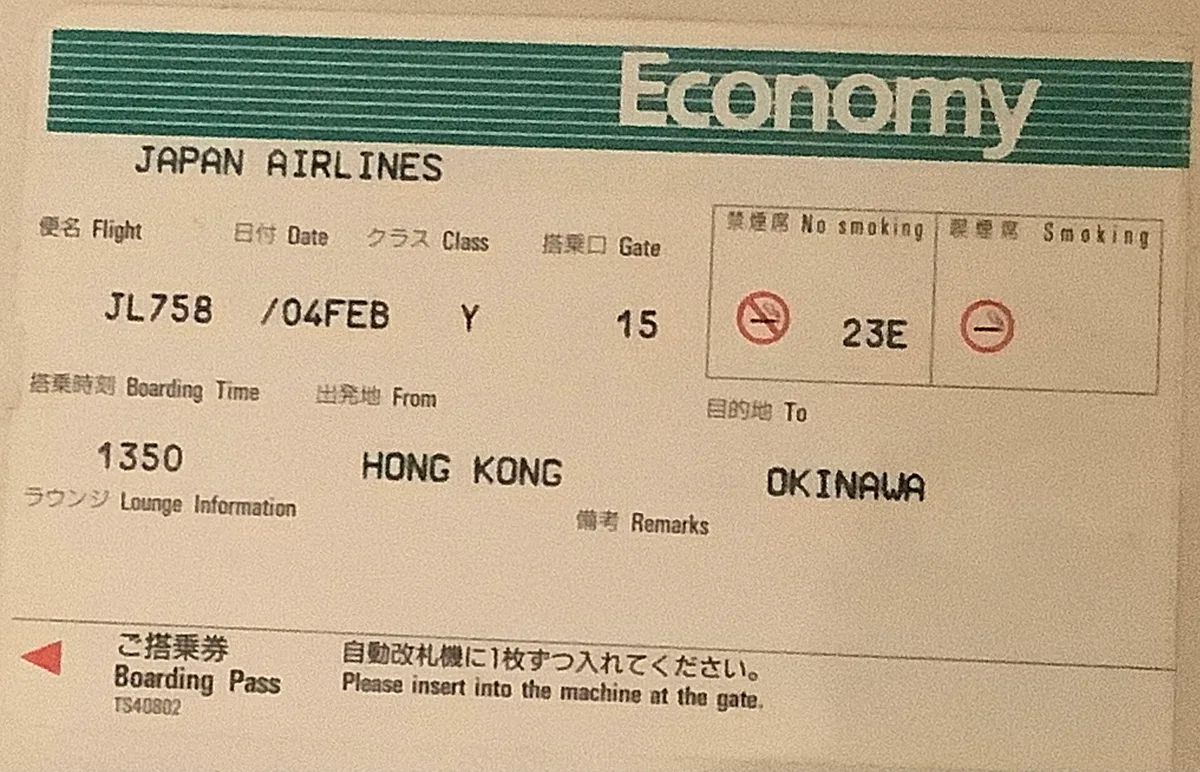
Book the flight once the dates are firm enough that a fare change will not wreck the plan. Compare the total cost, not the headline fare. Bag fees, seat selection, and the cost of getting from a far-off airport into the city can turn a cheap ticket into an expensive one.
Check the practical details before you pay:
- Connection time. A tight layover saves minutes and risks the whole day. On the way out, give yourself slack.
- Airport choice. Some cities have two or three airports. The cheapest one may sit an hour from where you are staying.
- Arrival time. Landing at midnight means a night-rate transfer and a wasted first morning.
Price alerts and fare trackers help, but they are tools, not oracles. Our analysis of how these services behave is in our piece on Comparison Shopping Apps and Price Trackers: they save money when you set the alert early and act on it, and they save nothing when you wait for a perfect price that never arrives. Readers following this should also see Comparison Shopping Apps and Price Trackers: Which Tools Actually Save Money.
How do you pick lodging that fits the plan?
Choose lodging by location first, price second. A cheaper room across the river from everything you came to see is often the more expensive choice once you add daily transit and lost time. Map the walk from the property to the places on your list before you book.
Read the cancellation terms the way you would read a receipt. Free cancellation until a set date is worth a few extra dollars on the first nights of a trip you are still shaping. Nonrefundable rates suit the last night, when the plan is settled.
Check the basics that reviews mention in passing: whether the building has an elevator, whether check-in is staffed or self-service, and how late you can arrive. These details decide whether a delayed flight is an annoyance or a crisis.
How much itinerary is the right amount?
Plan one anchor activity per day, then leave the rest loose. The anchor is the thing that needs booking or fixed timing: a museum with timed entry, a day trip, a market that only runs certain mornings. Build the day around it. Fill the gaps with two or three nearby options rather than a timed schedule.
Group activities by neighborhood. Walking one district in a morning beats crisscrossing the city three times. If a market or shopping street is on your list, our Guides section covers how to read a shopping city block by block, including hours and the order to visit in.
Leave one half-day empty on purpose. It absorbs the delay, the rain, or the queue you did not expect. That empty block is the difference between a plan that bends and one that snaps.
What should you handle before you leave home?
Confirm the documents and the money logistics first. Check your passport's expiry date against the entry rules for your destination, since many countries require months of validity beyond your travel dates. Tell your bank you are traveling. Know how you will get from the airport to the city, and roughly what it should cost.
If you plan to shop, do the homework before you fly, not at the stall. Know what you want to buy and what it typically costs. Our guide to How to Bring Textiles Home Without a Customs Surprise covers the paperwork side, and our explainer on How Much Can You Bring Back From Shopping Abroad Before US Customs Charges Duty? covers the limits. Customs rules are information, not legal advice; the official government customs portal is the source that decides.
Finally, pack a short list of fallbacks: a second restaurant near your hotel, an indoor option for a rainy day, the address of your lodging written down. Small things. They carry the trip when the plan wobbles.
Practical steps: the framework in order
Here is the whole method as a checklist you can run for any trip:
- Fix the number of days and the total budget ceiling.
- Pick the destination and season that fit both.
- Set dates, keeping flexibility where you can.
- Book the flight, checking total cost and connection times.
- Book lodging by location, with cancellation terms you can live with.
- Add one anchor activity per day, grouped by neighborhood.
- Leave one half-day empty as slack.
- Confirm documents, money, and airport transfer before departure.
The evidence for this order is simple: each step depends on the one before it, and reversing them is what makes beginners overpay. You cannot judge a fare without dates. You cannot judge a room without knowing where the flight lands. Run the list in order and the trip you planned is the trip you take.