A single good market trip can set up your whole week. The trick is planning around what the market actually sells, not around a rigid recipe list.
Markets reward flexible cooks. Stall hours change, produce turns over, and the best finds are often the ones you did not expect. Build the week around that reality, and one bag of groceries goes a long way.
Start With the Market, Not the Recipes
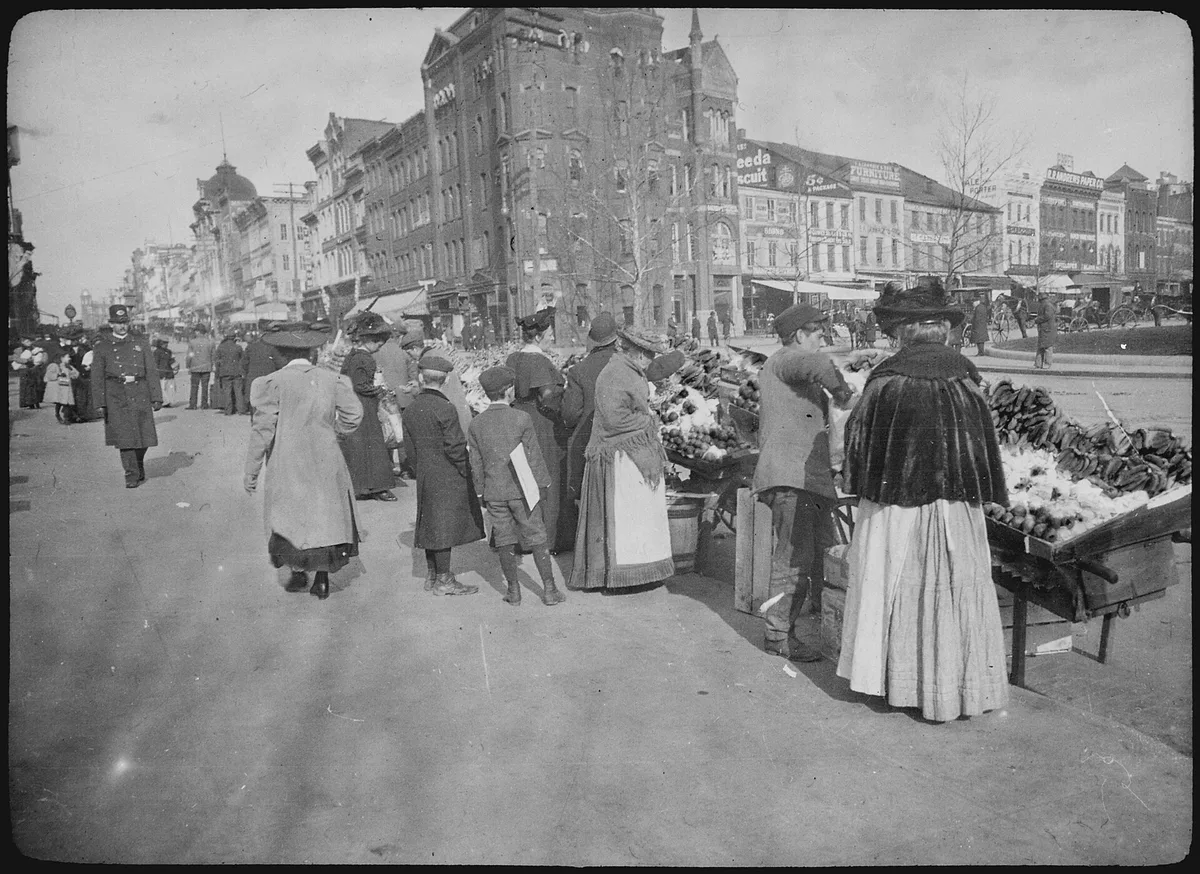
Flip your usual routine. Instead of choosing the week's dinners first and hunting for ingredients, walk the stalls and let the produce set the menu. A farmers' market is, by definition, a place where farmers sell foods directly to shoppers, so the stock reflects the season, as Wikipedia notes.
Seasonal boxes work the same way. In community-supported agriculture programs, customers pay a farm in advance for weekly or biweekly boxes of produce, according to Wikipedia. Subscribers cook from whatever arrives, and home cooks can borrow that mindset after any market visit.
The habit takes pressure off, too. When the produce picks the menu, you stop hunting for out-of-season items that cost more and taste like less. The week gets simpler before you have cooked a thing. Readers following this should also see Do Farmers Markets Actually Cost More Than Supermarkets? The Price Math.
Shop in Three Layers
Divide the trip into layers. Fresh items come first: greens, roots, fruit, and whatever looks best that morning. Then add proteins and dairy that hold for several days. Last come sturdy staples such as grains, bread, and pantry jars.
This order keeps fragile things from getting buried at the bottom of the bag. It also makes it easy to see what the week actually looks like before you pay. This connects to our earlier piece, Saint-Ouen Flea Market: What the Puces de Paris Actually Sell, and What Things Cost.
Storage is part of the same job. Wash and dry greens when you get home, keep herbs in a jar of water, and let fruit ripen on the counter. A little care on day one buys extra good days later in the week. Freeze what you cannot finish; most vegetables and cooked grains take well to the cold.
Map a Flexible Week
- First night: cook the delicate produce before it fades. Salads and quick stir-fries fit here.
- Next two nights: roast heartier vegetables and pair them with grains or proteins.
- Middle of the week: turn leftovers into soup, tacos, or fried rice.
- Final nights: lean on staples and the freezer until the next trip.
Prep helps the plan survive a busy stretch. Wash greens right away, roast a tray of roots on day one, and cook a pot of grains to stretch across meals.
Anchor meals keep it honest. Write down just a few firm dinners and leave the rest open. That small amount of structure is usually enough to keep takeout from creeping in. If one meal fails, no harm done; the next anchor is already set.
Leftovers deserve a plan of their own, too. Give them one clear shelf in the fridge and treat it as tomorrow's lunch. When the shelf fills up, you will know it is time to get creative with grains, sauces, or a quick soup.
Keep the Plan Loose
A market week works because it bends. If a stall sells out, swap in a neighbor's crop. If Wednesday runs late, move the quick dinner forward. The goal is not a perfect schedule. It is a fridge full of food you are glad to eat.
Budget gets easier as well. Staples bought once can back several meals, which leaves room in the budget for one treat, such as good cheese or fresh bread.
Conclusion
Planning a week around one market trip comes down to a few simple habits. Shop the season first, layer your bag from fragile to sturdy, and keep dinners flexible. Do that, and one morning at the market really can carry most of the week.