
Retail 101: The Skills Nobody Teaches You
Retail looks simple from the aisle and runs deep behind it. A plain guide to the six Ps, the pricing tools, and the skills that get you noticed.
Reporting on the retail trade: formats from concept shop to outlet mall, how markups and sale calendars are set, resale and secondhand growth, the economics of returns, and what physical stores now do that screens cannot. Written for shoppers who want to understand the machinery behind a price tag.
How retail operates.
Retail looks simple from the aisle and runs deep behind it. A plain guide to the six Ps, the pricing tools, and the skills that get you noticed.

Stores cut prices on a schedule, not on a whim. Knowing the rhythm — weekly, seasonal, and clearance — tells you when to wait and when to buy.
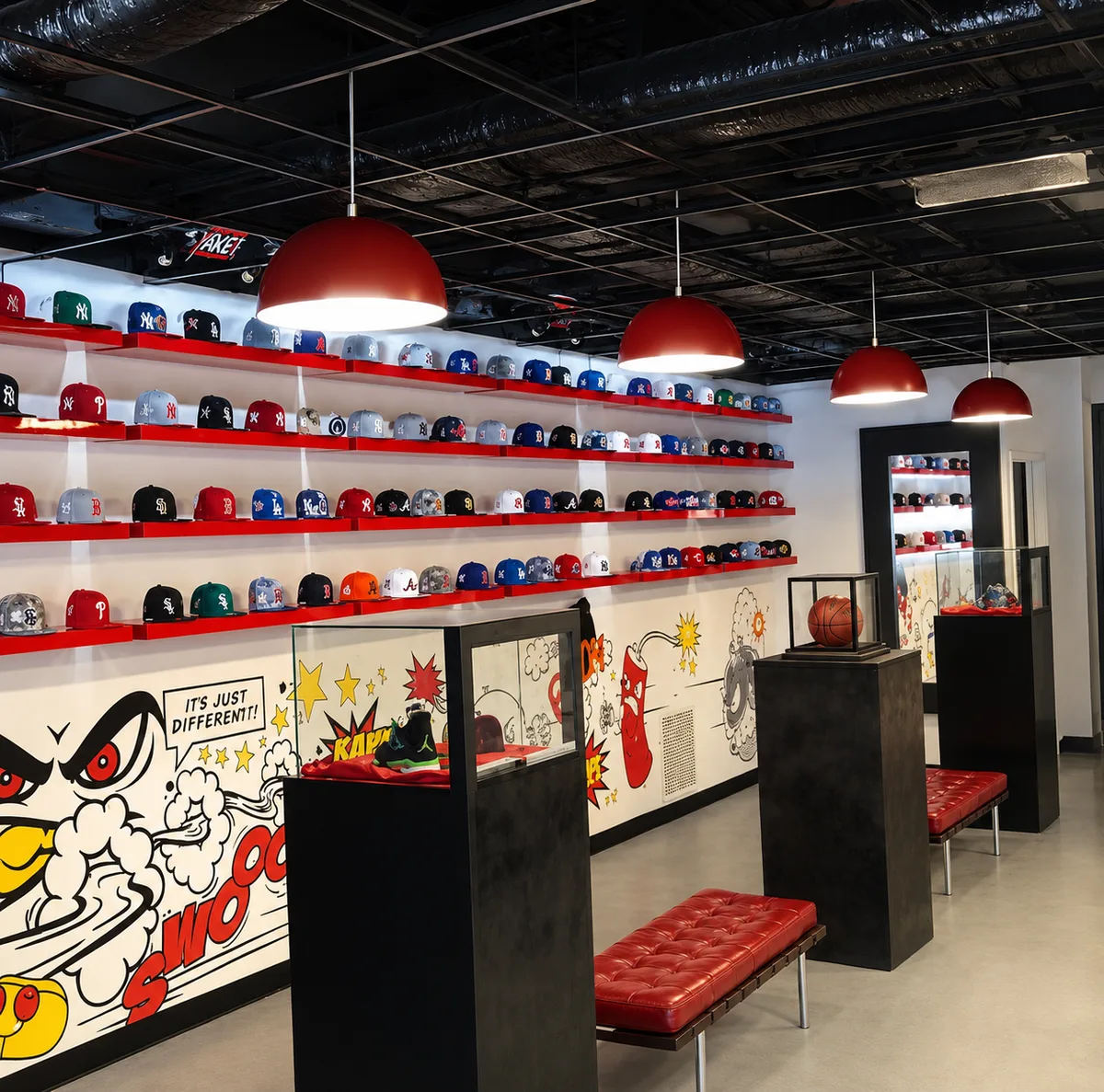
The real math of margins, leases, and the first two years — what independent shopkeepers actually budget for, and what shoppers can learn from it.

The policy on the website is the floor, not the promise. Here is what actually happens at the counter, and when a fee or an ID scan shows up.

The cheap chicken, the discounted detergent, the fuel-priced milk — here is how the math works, and where the store gets it back.

The personal customs allowance for travelers hasn't changed, but the rules for shipping purchases home just did. Here's the math for both.