Department stores are disappearing because the two jobs they were built to do — curate everything under one roof and anchor suburban traffic — both moved somewhere else: the first to the internet, the second to discounters and off-price chains. In the US, department store sales fell from about $232 billion in 2000 to roughly $133 billion by 2023, per US Census Bureau retail data, while e-commerce grew from under 1% to over 15% of retail sales. That is the whole story in two numbers.
What the story means for a shopper is less obvious: the remaining department store is often the best place to buy certain categories, and the worst place to buy others. This explainer covers what changed, who is left, and where the value sits as of early 2026.
What did department stores used to do for shoppers?
The classic department store — Macy's, Sears, JCPenney in the US; Selfridges and Galeries Lafayette in Europe — solved a 20th-century problem: a growing middle class in new suburbs needed furniture, fashion, appliances and a wedding registry, and no single manufacturer sold all of it. The store did the curation, guaranteed returns, and made money on the spread between wholesale and a full-price markup. Anchors earned their rent by delivering foot traffic that paid for the mall around them.
What broke the model?
- The catalog became infinite. Amazon's assortment is measured in hundreds of millions of items; a flagship department store carries a few hundred thousand SKUs. Curation stopped being scarce.
- Price transparency ended the markup. Comparison shopping moved the consumer's reference price from the tag to the phone. Full-price margin, the department store's oxygen, shrank.
- Discount formats took the traffic. Off-price chains (TJX, Ross, Burlington) and warehouse clubs grew through every retail cycle since 2000, selling brand goods near the department store's wholesale cost.
- Brands went direct. When a brand sells on its own site, it no longer needs the store's audience — and the store loses both margin and data.
US store counts tell the result: Sears, once the country's largest retailer, went from about 3,500 US stores in 2010 to a few dozen after its 2018 bankruptcy; Macy's has closed hundreds of stores since 2015 and in 2024 announced plans to close roughly 150 more through 2026, per company announcements, checked January 2026.
Are all department stores dying?
No — the survivors share two traits. First, they own real estate or license it cheaply, so they are landlords as much as retailers; several European houses (Selfridges under new ownership, Galeries Lafayette) have leaned into the store-as-destination model with restaurants and experiences. Second, they kept a reason to visit: Nordstrom built its reputation on returns and service, which e-commerce still does badly; Dillard's, the US chain that shrank slowest, never over-expanded. In the Middle East and Asia, new flagship department stores still open because they anchor districts where car-free foot traffic is the default.
When is a department store still the smart place to shop?
- Cosmetics and fragrance: counter service, samples and gift-with-purchase promotions routinely beat online value, checked January 2026.
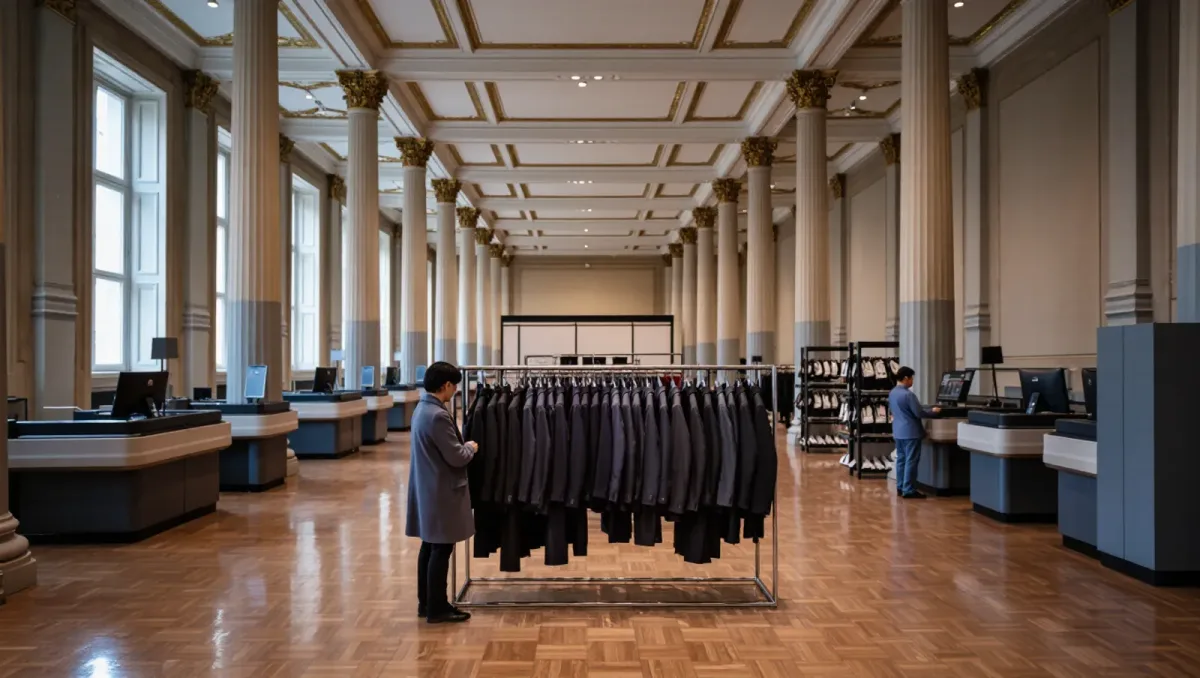
- Suiting, tailoring and shoes: the alteration and fitting services bundled in remain genuinely hard to replicate online.
- Clearance cycles: end-of-season clearance at a store that must clear floor space can undercut online prices — the physical constraint cuts both ways.
- Returns: a generous, immediate, in-person return policy is a product in itself; shoppers who buy online and return in-store use the department store as free logistics.
What should you watch for?
The shrinking middle tier: as floor space contracted, mid-market department stores pushed private label harder — fine for value, but it changes what you are comparing. Also watch the coupon game: list prices at surviving US chains now assume a stacked promotion, so the posted price is closer to a first offer than a final one. Compare against the off-price store across the parking lot before assuming any tag is a deal.
The bottom line
The department store is not vanishing; its general-purpose job is. What remains is a specialist — service, space and returns — and a shopper who uses it for those three things is using the survivor as it now intends to be used.
What replaced the department store's role?
Nothing replaced it entirely; its jobs were divided. Curation moved to influencers, algorithms and subscription boxes; the anchor traffic role went to grocery-anchored centers and big-box power centers; and the return guarantee migrated to online-first retailers who treat generous returns as acquisition cost. The closest living relative is the modern flagship-plus-experience store, which keeps the theater and drops the breadth, checked January 2026 — the department store survives, in pieces, under other names.