London is the world's busiest city for luxury store openings heading into 2026, with 33 luxury retailers opening stores — more than Paris, Tokyo, or Singapore — per Savills' Global Luxury Retail Outlook 2026. The counterpoint in the same report: global luxury expansion moderated in 2025, with new store openings at their lowest level since 2020. Fewer new boutiques worldwide, then, but a larger share of them in one city.
This is retail-development coverage, not a shopping endorsement: an opening tells you where brands are betting, not what anything costs, and new-flagship prices are rarely lower than the same brand's other locations.
Why is London winning the openings race?
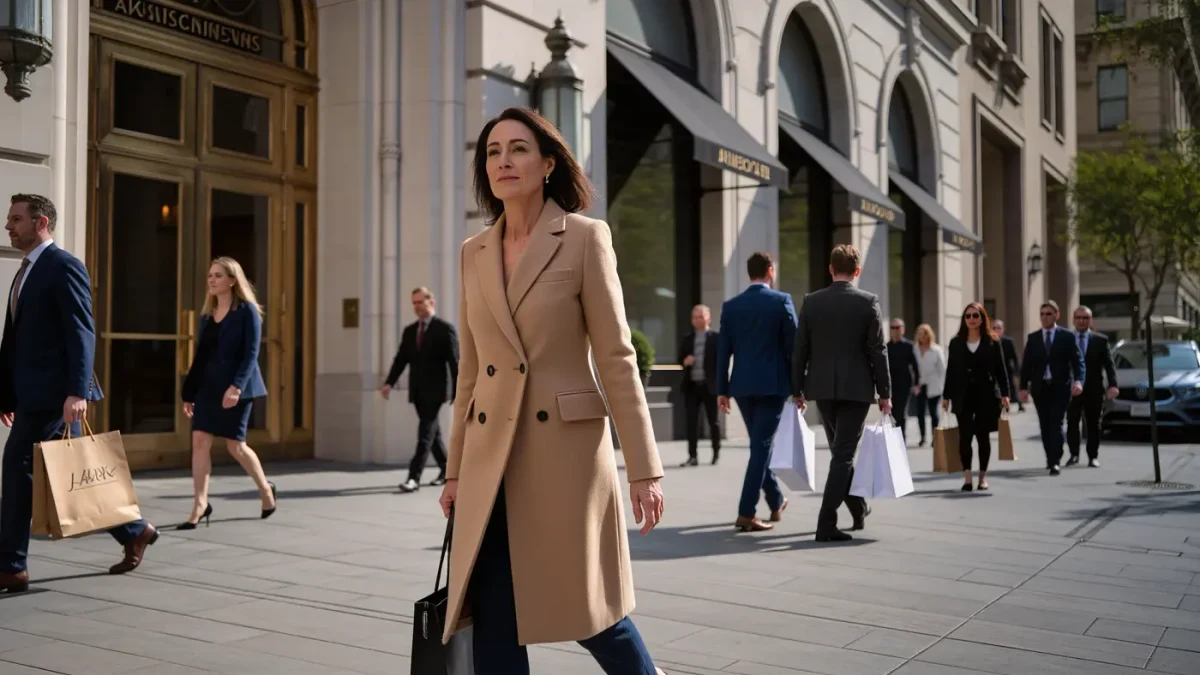
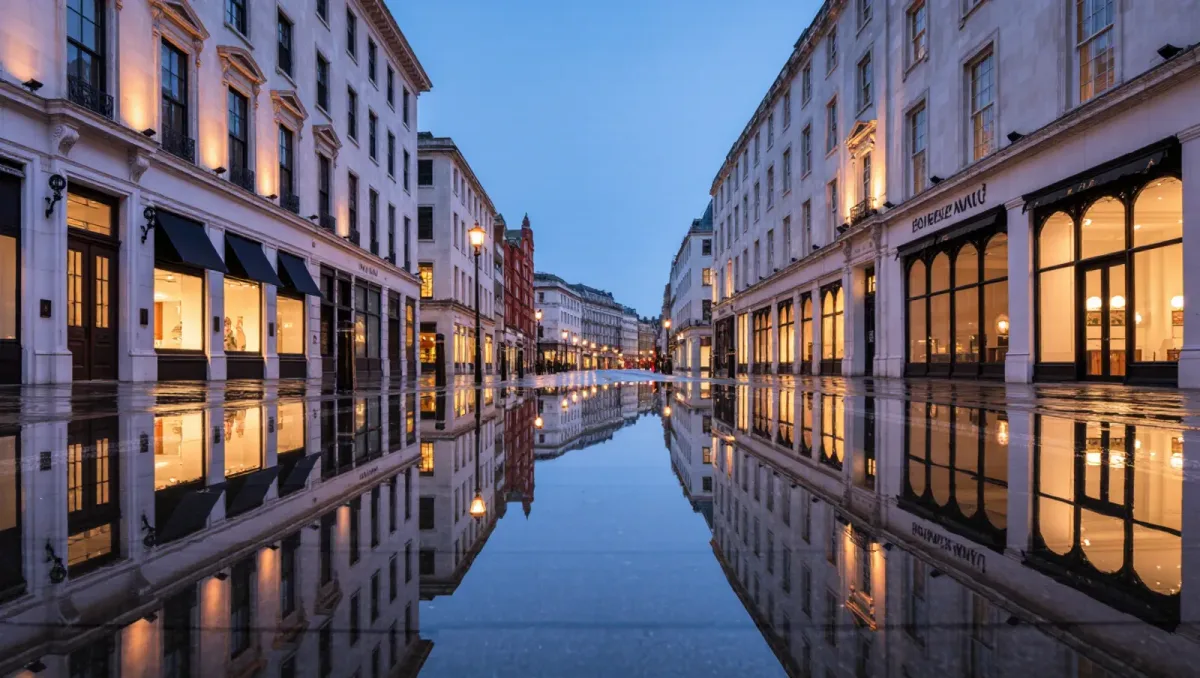
Three factors recur in the reporting. Currency: a weaker pound has repeatedly made London the cheapest major city in which to buy European luxury goods, drawing visitors who buy on arrival. Footfall: established corridors — Bond Street, Mount Street, Sloane Street — concentrate the customers brands want. And visa and flight connectivity from the Gulf, the US, and Asia keeps high-spending visitors coming. The openings cluster in those same corridors, which means a visitor's route barely changes: the new stores sit next to the old ones.
What does this change for a shopper's trip?
Practically, three things. First, opening-season flagships carry the fullest assortments — if you want a full range from a brand, the new store is the place to see it, and appointment-only upper floors are increasingly where the rare pieces sit. Second, tax treatment decides the real price: eligible visitors can reclaim UK VAT on goods taken out of the country, and the arithmetic between the sticker price and the refund decides whether London genuinely undercuts Paris or Milan on your basket. Check the refund terms before you buy, not after. Third, openings concentrate crowds; expect queues at newly opened flagships in their first months and book appointments where offered.
Is the openings boom a buying signal?
No. Brands open flagships as marketing; Savills' own data showing 2025 openings at a post-2020 low signals caution in the sector, not a discount cycle. If anything, a market where the top cities absorb most of the new-store investment means less competition between boutiques in secondary cities, not better prices. Treat London's 33 openings as a reason to plan a richer shopping itinerary, and price-check every purchase against your home market before paying.