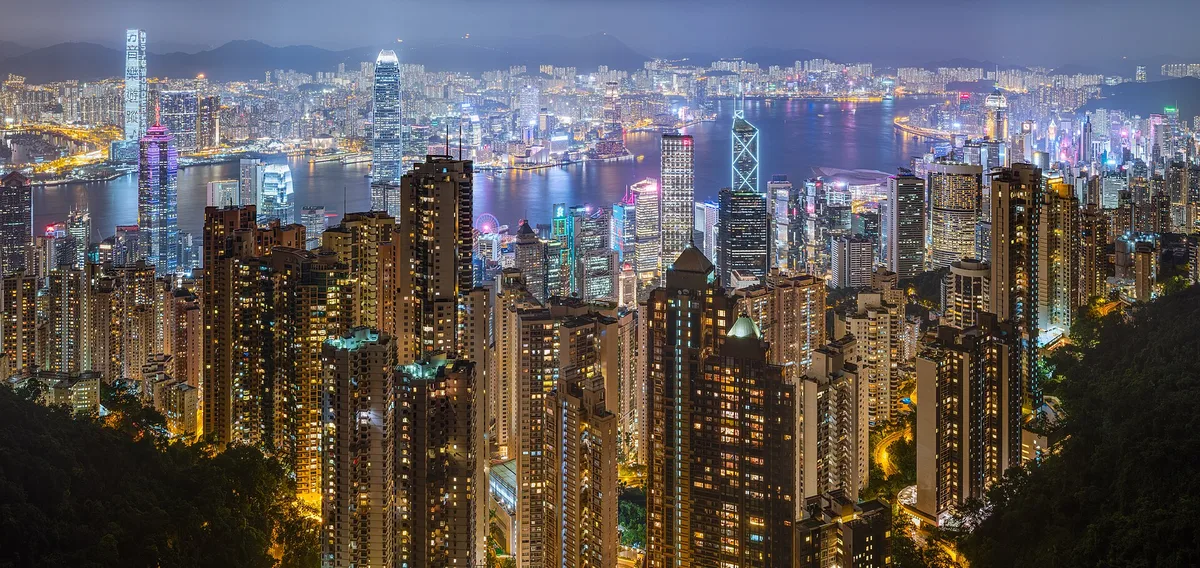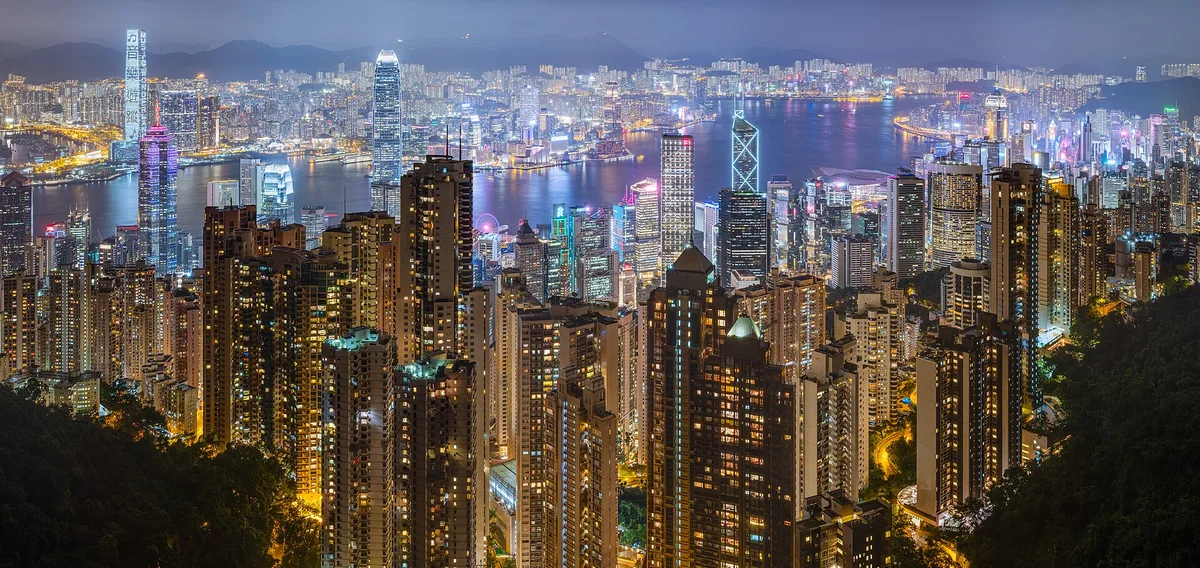
Walk through any Hong Kong estate-agent window and the listings look familiar: prices per square foot, floor plans, district names. What you cannot see is how much of that information you can trust. A new global scorecard offers one answer. Hong Kong ranks 14th among the world's most transparent real estate markets, according to JLL's 14th edition of its Global Real Estate Transparency Index, released 23 September 2026.
The city scored 1.97 on the index, unchanged from the previous edition, and sits within the survey's "Transparent" tier. In Asia, only Japan (12th) and Singapore (13th) rank higher. For anyone comparing cities — whether you are pricing a flat, a shop unit or an office floor — the practical question is what that ranking actually buys you, and where it stops short. For related coverage, see What a Travel eSIM Actually Is — and What SIMZY's New Australia Plans Cost.
Transparency, in JLL's framing, means access to reliable market information, regulatory certainty and technology-driven data. That is the phrase Alex Barnes, Co-CEO at JLL in Greater China, used when commenting on the result. Translated for a shopper: in a more transparent market, you can check comparable prices, verify who owns what, and expect the rules to hold steady between your offer and your completion date. If you are new to comparing markets before you shop them, our markets coverage covers the same discipline for goods — the property version works much the same way. We covered a connected angle in Do Farmers Markets Actually Cost More Than Supermarkets? The Price Math.
What the ranking actually measures
The index is a composite score, and Hong Kong's 1.97 was unchanged from the previous edition. Unchanged is not a decline — the city held its position while two-thirds of global markets improved their transparency levels over the past two years. In other words, Hong Kong kept pace in a field that is moving.
That movement matters for how you read any single number. Asia Pacific recorded the strongest regional improvement in this year's survey, accounting for half of the world's top 10 most improved markets. India led the gains, and Vietnam, South Korea, Australia and Thailand also made significant progress. If you are weighing Hong Kong against regional alternatives, the honest comparison is a stable 14th against fast-improving competitors — stability now, momentum elsewhere.
Why transparency should change how you shop
JLL's data makes a direct case that transparency and liquidity travel together. Transaction volumes across the "Highly Transparent" markets have risen by 64% over the past two years, outperforming the rest of the world by 20 percentage points. Those 13 markets now account for 56% of the world's income-producing real estate and more than 80% of global direct investment.
Hong Kong is in the "Transparent" tier, one step below that top group. The practical reading for a buyer: you get most of what the top tier offers — price discovery, reliable data, regulatory certainty — and you should verify the rest yourself. As investors increasingly prioritise scale, timely price discovery and reliable data to manage risk, JLL's survey treats those qualities as the reason capital concentrates in transparent markets. For you, the same qualities reduce the two classic property-shopping risks: paying above the market because you cannot see comparables, and buying into rules you did not know existed.
Where the gaps are — and what to check before you commit
The survey is candid about where transparency is still thin. Barnes pointed to "further progress in emerging sectors, including alternative assets, credit markets and building performance" as the work ahead for Hong Kong's competitiveness. Dominic Silman, Chief Economist for LaSalle, made the same point globally: transparency gains in this cycle have been concentrated in debt markets and niche and alternative sectors, which are still closing the data gap with traditional sectors.
For a shopper, that maps onto a short checklist. In the traditional sectors — mainstream residential and commercial stock — the market's high ranking suggests deeper data availability. In the newer sectors JLL names, treat information as scarcer: ask harder questions, demand documentation, and price the uncertainty rather than assume it away. Alternative sectors such as data centres and infrastructure now account for 20% of global direct transaction volumes, with investors emphasising energy grid capacity, power availability and operational resilience — the same due-diligence items worth requesting on any non-traditional asset you are shown.
One more shift worth noting as you shop. JLL reports that regulatory reforms are attracting increasing flows of private wealth, retail and pension capital into real estate, driving demand for more standardised, higher-frequency reporting and greater valuation transparency. More retail money in the market means more buyers like you, and more pressure for the reporting standards retail buyers need.
How to use the index without over-reading it
A ranking is a starting point, not a verdict. Three cautions before you act on it:
- It is a market-level score. The index ranks Hong Kong as a whole. It does not price a specific flat, street or building. Use it to set expectations about data availability, then verify comparables for the specific asset.
- It is a snapshot with a date. These figures come from the 14th edition of the index, released 23 September 2026, and the score was unchanged from the previous edition. Rankings move; check the latest edition before you rely on the number.
- It measures transparency, not value. A transparent market can still be expensive or soft. The index tells you how well you can see the market, not which way prices are heading.
The broader takeaway is that transparent markets reward preparation. If you are building a general shopping toolkit — the habit of checking prices, hours and rules from named sources before you go — our guides section collects that approach across markets, and our travel news coverage tracks the retail and market developments that change what shoppers find on the ground.
What the evidence establishes is this: Hong Kong remains one of the most transparent real estate markets in Asia, with a stable score and a named agenda for improvement in alternative assets, credit markets and building performance. What remains unknown is how quickly those emerging sectors close their data gaps — and that is the area where a careful shopper should do the most of their own checking.