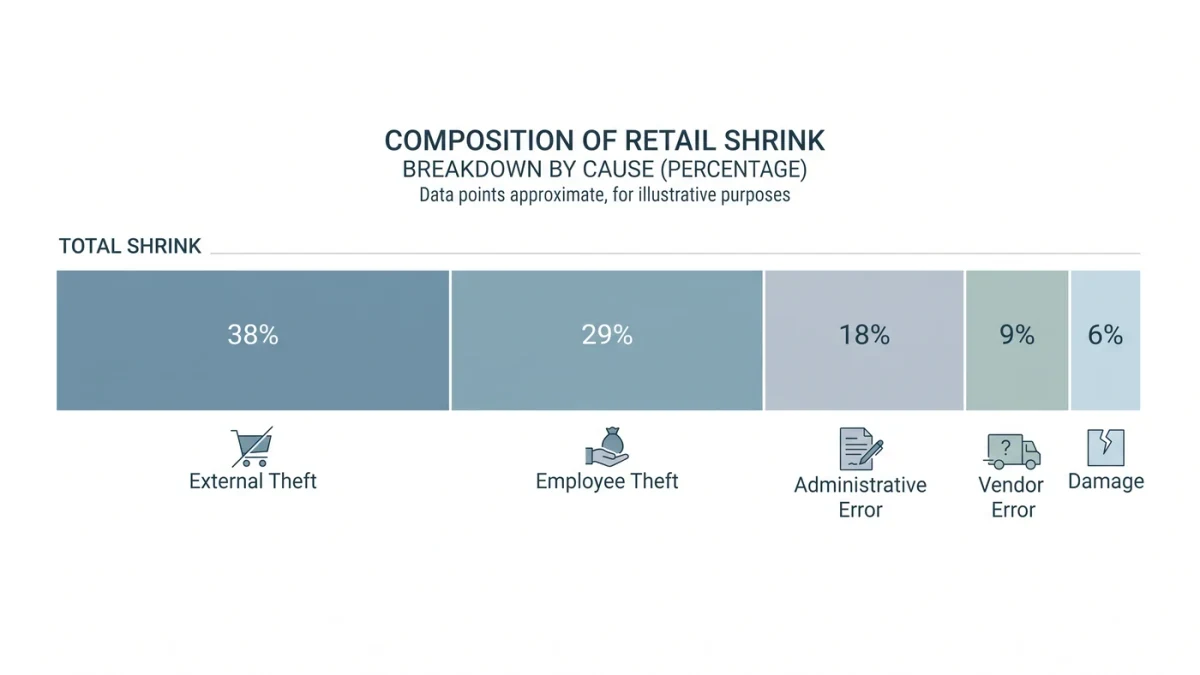
Self-checkout is a trade: stores exchange cashier wages for a higher loss rate and a different kind of customer friction, and by 2024 enough chains had done the math on the losses that the great self-checkout retreat began. US retail shrink — the industry term for inventory loss from theft, error and damage — reached $112.1 billion, about 1.6% of sales, in 2022, per the National Retail Federation's National Retail Security Survey, and loss-prevention research consistently finds self-checkout lanes shrink faster than staffed ones. As of early 2026, the majority of large grocery chains still run self-checkout, but with item limits, camera analytics and hybrid staffing that the first generation of lanes never had.
For a shopper, the shift changes queue strategy more than anything else. This explainer covers why the machines spread, why some are leaving, and how the rules at each lane type work. This publication publishes information, not legal advice, and accusations in theft cases belong to police and courts, not to store gossip.
Why did stores adopt self-checkout in the first place?
- Labor math. One attendant can oversee four to eight lanes; the wage saving across a chain is measured in billions per year.
- Queue psychology. Shoppers tolerate a moving line far better than a standing one, and self-checkout always appears to move.
- Data. Scan data ties every basket to a loyalty account, which cashiers-and-cash never did.
By the early 2020s, self-checkout transactions were roughly 30% of grocery volume in the US and higher in Europe, per industry trade reporting, checked March 2026.
So why are some chains pulling lanes out?
- Shrink concentrates at the machines. Loss-prevention studies find error and theft both rise when the customer performs the scan; accidental mis-scans (wrong PLU, unscanned bottom-of-basket items) alone account for meaningful loss, and intentional misscans hide inside them.
- Customer satisfaction inverted. The chain's own data showed the time saved was smaller than promised once interventions — the dreaded “unexpected item in the bagging area” — were counted.
- High-theft categories migrated. Stores restricted self-checkout for items like razors, baby formula and electronics after organized theft patterns emerged.
The visible results: Target limited self-checkout to 10 items or fewer at most stores in 2024; Dollar General removed self-checkout entirely from most of its footprint in 2024; Booths, the UK grocer, famously returned to fully staffed lanes in 2023, per company announcements, checked March 2026. Walmart, Costco and most European grocers kept large self-checkout footprints but re-added attendants and camera systems.
Does self-checkout cause shoplifting?
Careful wording matters. The machines create opportunity, and loss-prevention research attributes most self-checkout loss to error rather than intent — mis-scans, forgotten produce codes, items left in carts. Intentional misscanning is theft and is prosecuted; several retailers have pursued high-frequency offenders. For the honest shopper the practical question is not guilt but friction: item limits, weight-check retries and receipt checks are the store's answer to its own shrink problem, and they cost the customer minutes.
Which lane should you actually choose?
- Big basket, no exceptions: staffed lane. The self-checkout weight system was never designed for a hundred-item order, and the interventions multiply with each produce code.
- Fewer than 10 items, mostly packaged: self-checkout wins; scan-and-pack flows cleanly when nothing needs a code lookup.
- Fresh produce-heavy trips: staffed lane, unless you know your PLU codes; the lookup routine is where queues clog.
- Age-restricted items: staffed lane anywhere that still mandates an attendant override for alcohol — the machine only changes who waits.
What should you watch for?
Receipt checks at the exit are lawful only with your consent in most US states — Costco and Sam's Club members consent by membership terms, but at ordinary grocers you may decline and leave the receipt in your bag, though refusal can mean a hold-up at the door. And the pricing caveat this site always gives: scanned prices occasionally differ from shelf tags; checkout error runs in the shopper's favor and against, and the shelf-tag challenge window is your recourse, per US scanner-law pricing-accuracy rules common at state level, checked March 2026.
The bottom line
Self-checkout is not going away and is not taking over; it has settled into lanes-by-design, with stores matching lane type to basket size and shrink risk. Pick the staffed lane for big or fresh-heavy trips, take the machine for ten packaged items, and check the screen price against the shelf tag every time.
What do the hybrid lanes look like?
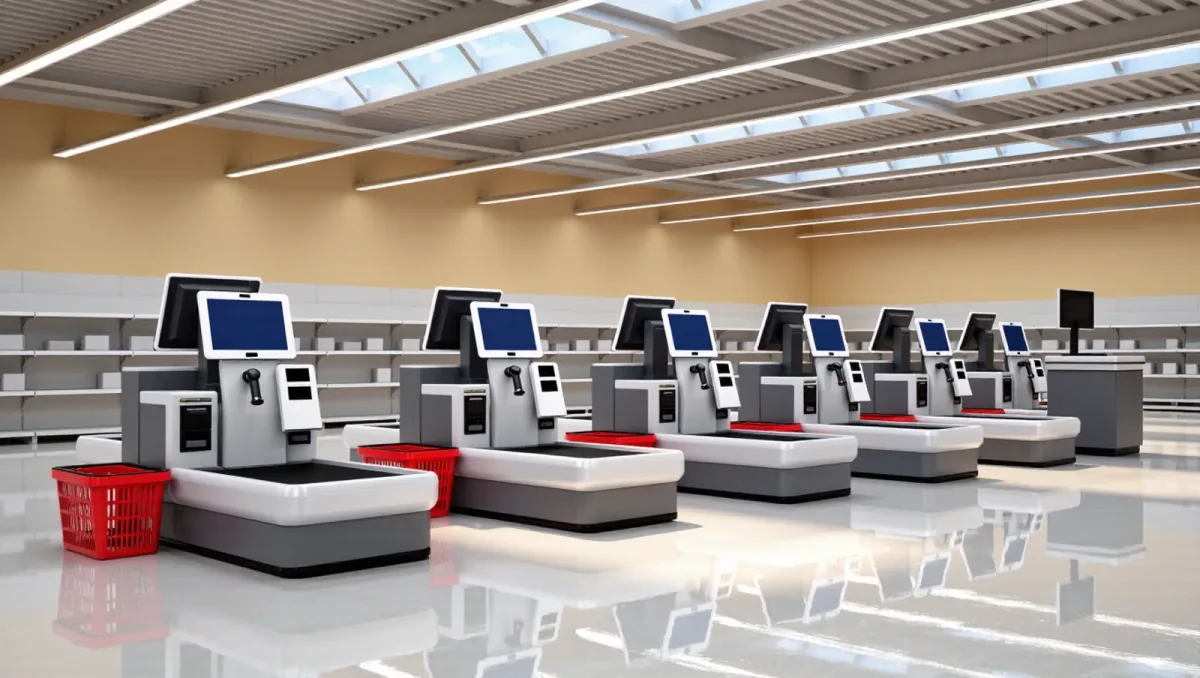
The settled design, visible in most rebuilt stores by 2026: mixed banks where two or three self-checkout terminals share one roaming attendant, staffed lanes for full baskets, and a dedicated small-basket express lane with no scale interventions. The camera analytics flag the mis-scans invisibly and the attendant resolves them socially rather than through machine errors — the technology's second act is quieter than its first, checked March 2026, and mostly it means fewer 'unexpected item' standoffs, not more.