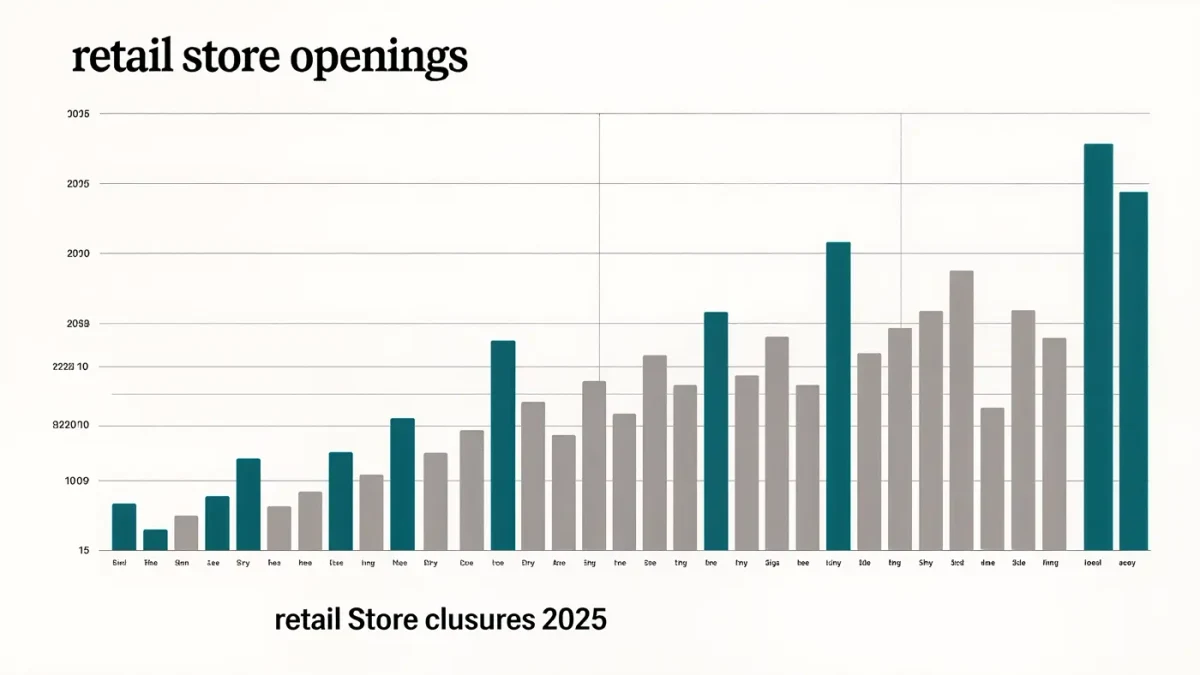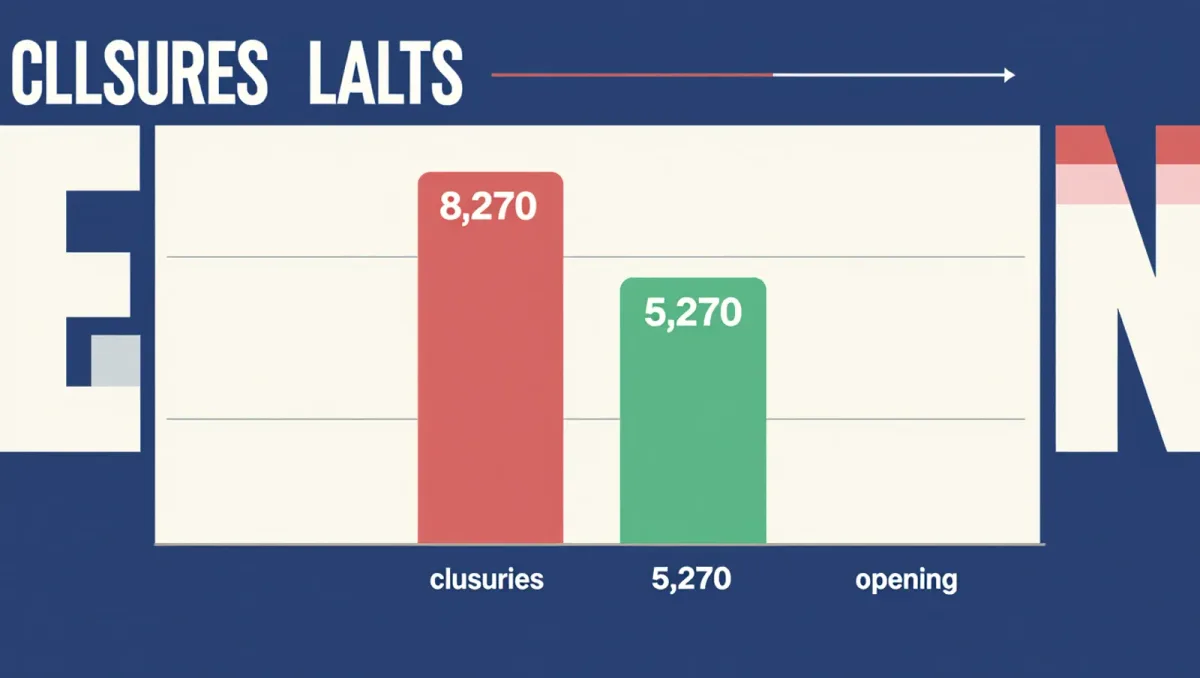
The US lost 8,270 stores in 2025 against 5,270 openings, per Coresight Research's tracker published January 27, 2026 — and the 2026 closure slate announced through early February already runs into the thousands, with Walgreens, GameStop, 7-Eleven, Macy's, Kroger, Foot Locker, Francesca's, Eddie Bauer, and Orvis among the chains cutting locations, per Fast Company and Associated Press reporting in January 2026. Some closures are bankruptcies; many more are planned multi-year retrenchments.
For shoppers, the relevant question is not how many stores close but which ones — and what happens to the loyal customer base each closing strand leaves behind.
Which closures actually change your shopping?
Three categories matter most. Drugstores: Walgreens' multi-year closure program removes the pharmacy-and-essentials fallback in many neighborhoods, and the substitutes are often pricier convenience formats. Department stores: Macy's continues a previously announced multi-year wave of underperforming locations, which shrinks the mid-market anchor option in smaller metros. Specialty: Foot Locker's cuts and Orvis's retreat — the latter citing tariffs in its January 2026 announcement — signal that even healthy niches are consolidating square footage.
What does the closure wave do to prices?
Closing sales produce real but shallow discounts: liquidation pricing on remaining stock commonly runs 20–40% off with no returns, per standard going-out-of-business terms, and selection deteriorates in the final weeks. The longer-run effect is the opposite — fewer stores mean less local price competition, particularly in drugstore and department-store categories where a single surviving chain can set the neighborhood price. Industry trackers, including ICSC's 2026 outlook, project openings rising as closures ease, but the new openings skew toward discounters, off-price, and dollar formats rather than the mid-market stores being lost.
How should you respond to a closure announcement?
- Shop the first two weeks of a closing sale for genuine selection at real discounts; skip the final week's picked-over stock.
- Check return terms before buying — liquidation sales are typically final.
- If a pharmacy closes, transfer prescriptions early; the last-week rush creates backlogs.
- Watch gift cards: use them before the closing date, since redemption policies vary by bankruptcy type.
Is this a retail collapse?
No. The arithmetic of 8,270 closures against 5,270 openings (Coresight, January 2026) describes reallocation, not disappearance: spending is shifting online and toward value formats while chains shed unprofitable square footage. The shopper's map changes — fewer mid-market anchors, more off-price and dollar stores — but the overall store count is falling much more slowly than headlines suggest, and store openings by discounters have grown every year since 2021 per Coresight's tracking.
Figures per Coresight Research (January 27, 2026) and US press reporting through February 2026.