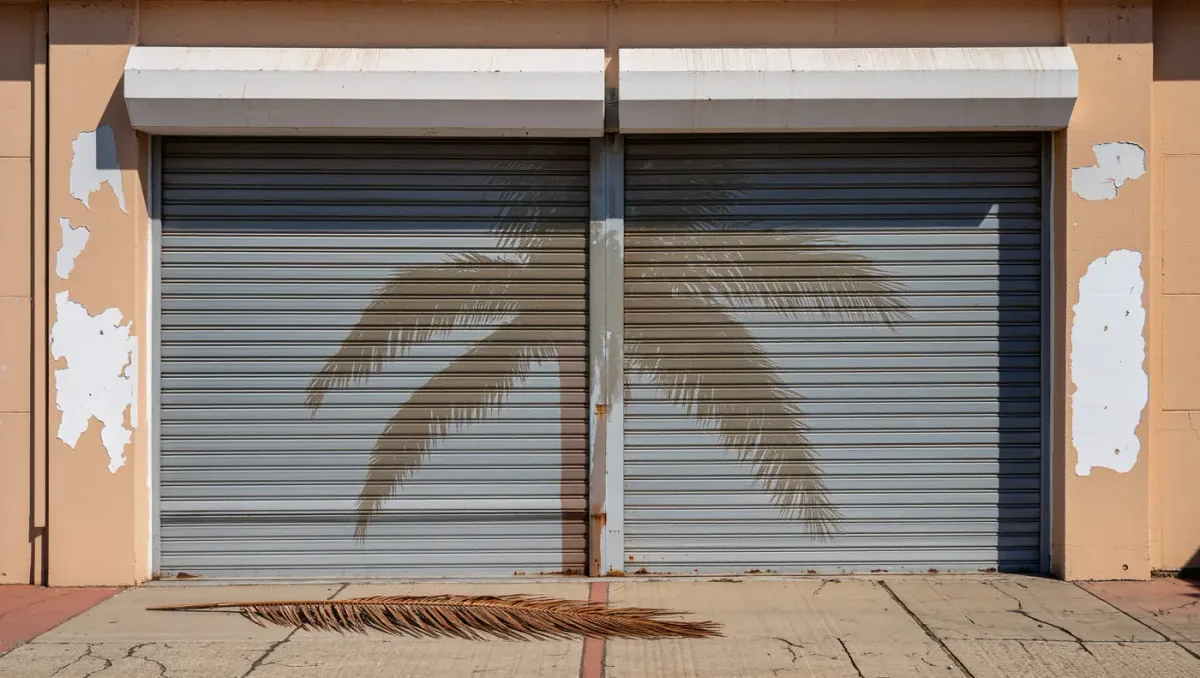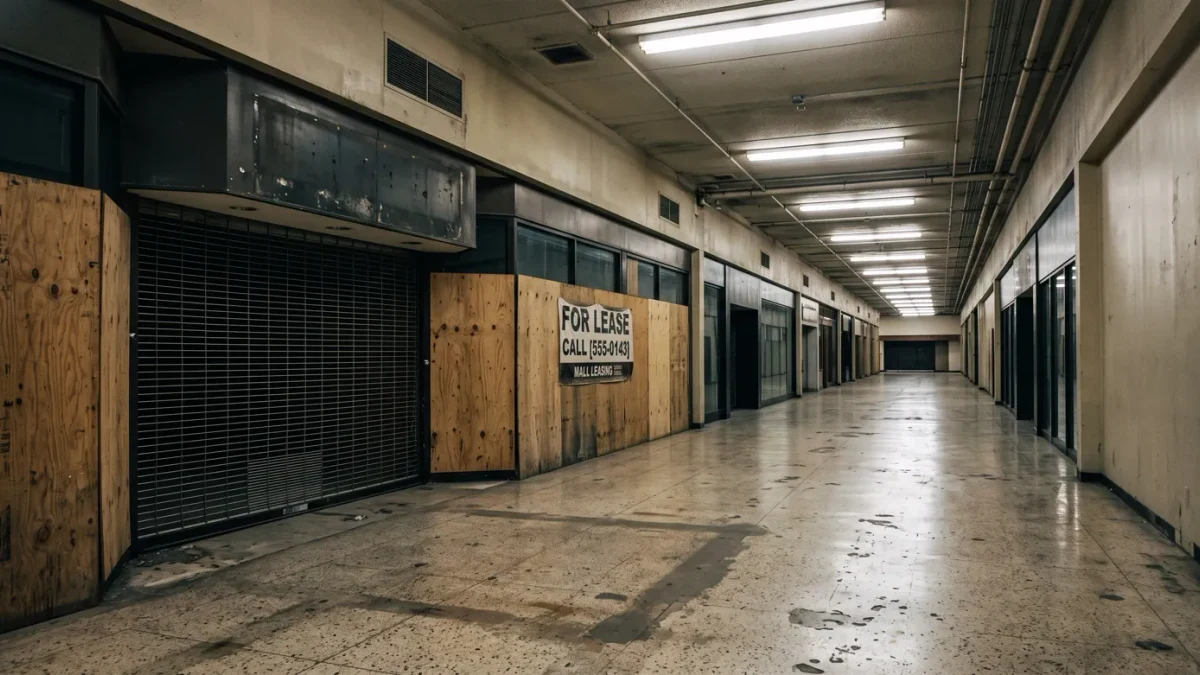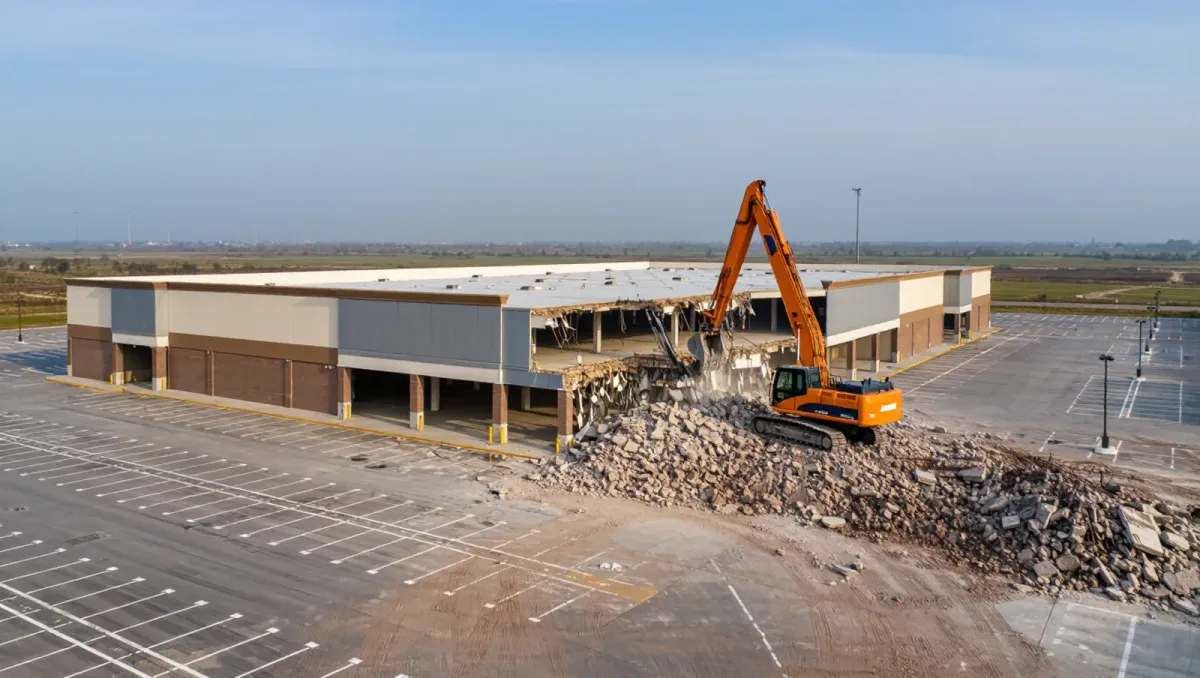
The Mall at Fox Run in Newington, New Hampshire — open since 1983 — closed permanently on January 31, 2026, and demolition began in late May to clear the site for redevelopment, per local reporting. The same spring, Burlington Mall in Massachusetts announced at least ten new businesses for 2026, including six retail stores and four dining options, and Green Acres Mall in Valley Stream, New York is mid-way through a redevelopment anchored by a new 80,000-square-foot grocery store. Industry group ICSC's 2026 outlook projects store closures easing and openings rising.
Both stories are true at once, and which one governs your shopping depends entirely on which kind of mall is nearest you.
Why are some malls closing while others expand?
The sorting that began a decade ago has hardened. A-mall properties — dominant centers in affluent trade areas — are full, raising rents, and adding tenants; B and C malls with vacancy and aging footprints are being closed or demolished for warehouses, housing, and open-air centers. Fox Run, a regional center that lost anchors over successive years, follows the second script: permanent closure in January, demolition by May. Eastfield Mall in Springfield, Massachusetts took the same road earlier, with the site being redeveloped into an open-air center called Springfield Crossing.
What replaces the closing mall?
Two formats, both worse for one-stop browsing. Open-air lifestyle centers keep the stores but lose the weatherproof commons — and often trade department stores for a grocery, fitness, and dining mix. Full redevelopment to warehouses or housing removes retail entirely. In both cases the shopper's trip fragments: more destinations, more driving, less price comparison in a single visit. The honest cost of mall consolidation isn't only lost stores — it's lost ability to comparison-shop five retailers in an afternoon.
What should shoppers watch for locally?
- Closing sales at dying malls: when a mall's closure is announced, tenant-level going-out-of-business events follow within months; early weeks carry real discounts, final weeks carry final-sale terms.
- Redevelopment phasing: malls like Green Acres stay open through construction, but hoarding and relocated tenants change which stores you can reach — check the center's map before a targeted trip.
- Anchor departures: a closing anchor usually precedes broader decline by years; if your mall's anchor is leaving, its mall-brand tenants will discount harder while they still can.
Is the mall coming back?
Selectively. The tenants being added at winning centers — dining, fitness, experience retail, and off-price apparel — reflect what still draws cars. ICSC's projections of openings rising in 2026 (per its published outlook) describe a format finding a smaller, sturdier equilibrium, not a revival of the 1980s regional mall. The 2026 mall shopper's best move: know which type your nearest center is, and time big trips to the winning ones, where landlord competition keeps tenants fresh and prices honest.
Events per local and industry reporting, January through May 2026.