Every flea market hides two things: a bargain and a fake. Telling them apart is a skill, and like any skill it has rules.
This guide walks through where flea markets came from, what vendors sell today, and the checks serious hunters make before they hand over cash. Readers following this should also see Saint-Ouen Flea Market: What the Puces de Paris Actually Sell, and What Things Cost.
A Market Born in 1860s Paris
The name is a literal translation of the French marche aux puces, which means market with fleas. The nickname labels old, previously owned goods that were once said to carry the little insects.
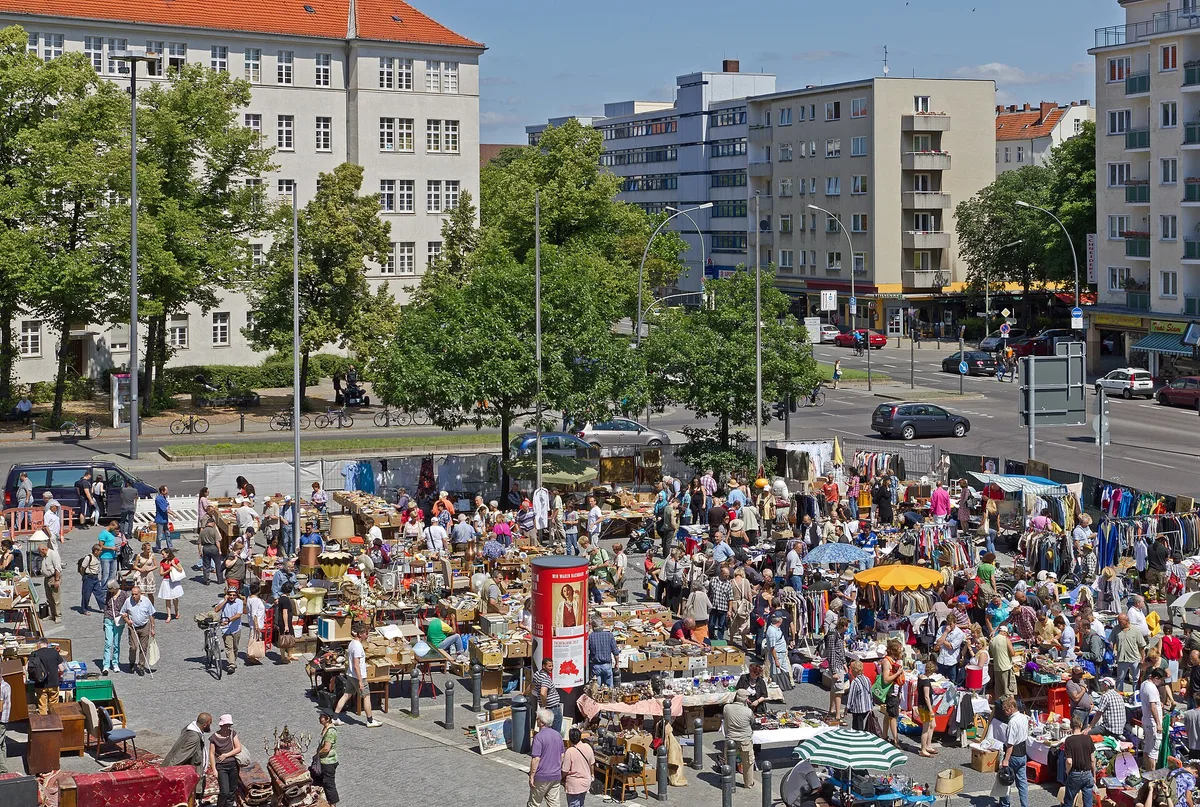
The story starts in Paris in the 1860s, when city redesigns pushed secondhand dealers out of the slums. They set up stalls just north of the old fortifications, and the name stuck. Per Wikipedia's history of the flea market, the Saint-Ouen flea market there now forms the world's largest concentration of antique and secondhand dealers, drawing around 11 million visitors per year.
What Vendors Sell Today
Modern markets split into two styles. Formal markets offer long-term leases to fixed stalls, while casual markets run seasonally with short-term leases.
The goods range widely: used furniture, records, tools, jewelry, and vintage clothing. In the United States, the National Association of Flea Markets, established in 1998, provides resources for sellers, suppliers, and buyers, and helps them connect and form affiliations. Vending itself comes in two flavors. Some vendors treat the stall as a weekend hobby alongside another job, while full-timers rely entirely on the profits they make at the market.
Checks That Separate Value From Junk
Start with construction. Real age shows in joints, weight, and wear in honest places. Reproductions tend to be too clean, too light, or too uniform to be true.
Next, study labels and marks, then look up recent asking prices on your phone. Bring a small flashlight and check for repairs, cracks, and swapped parts. Finally, ask questions. Sellers who know an item's story usually know the item, and sellers who dodge every answer are telling you something too.
Timing matters as much as inspection. The best pieces get picked over early, so arrive at opening with coffee in hand. Walk the whole market once before you buy anything, because the same lamp often sits at three stalls at three prices. This connects to our earlier piece, How Much Can You Bring Home From a Market Before U.S. Customs Charges You?.
Buy the Story, Not Just the Object
Value in secondhand shopping is part condition and part provenance. A chair that sat in one family kitchen for sixty years carries a story that a catalog page never will.
Markets also reward patience. Prices soften late in the day, and regulars know which stalls restock from estate sales. Become a regular, and the good finds start finding you before the general crowd sees them.
Set a budget before you enter, and let one rule guide the spending: only buy what you can name a place for at home. Collectors call it the one-in-one-out habit. It keeps the haul small, the wallet safe, and the hunt fun instead of hoarding.
Sustainability Is the Quiet Bonus
Secondhand shopping has a second life as a climate choice. Wikipedia notes a growing emphasis on sustainable consumption, where buyers pick used goods, collectibles, antiques, and vintage clothing to push back against fast fashion.
Every rescued object skips a factory, a freight lane, and a landfill. The bargain feels better when it also wastes less, and the next owner of your old finds will feel the same way.
Conclusion: Hunt With a System
Flea markets reward curiosity, but they pay off best with a method. Know the history, inspect with care, compare prices, and buy what you will actually use.
Do that on every trip, and the real finds stop being luck. They become a habit you can repeat at any market, in any city, on any weekend.