Otavalo's Saturday market is the largest indigenous market in South America, drawing thousands of weavers and traders to the small Ecuadorean town of Otavalo every week. The honest price reality, checked July 2026: thick alpaca-blend throws run $15–$35, 100% alpaca scarves $20–$50, hand-embroidered blouses $25–$60, and Panama-style straw hats $15–$60 depending on fineness. Anything sold as alpaca at $8 or less is almost certainly acrylic — and the burn test, not the seller's promise, is what settles it.
The weaving here is real craft: Otavalo families have traded textiles in the Andes since long before the Spanish arrived, and the region's workshops export to the US and Europe. Respecting that craft means pricing it — which starts with knowing what things cost and what they are made of. This publication publishes information, not purchase advice.
What should textiles cost at Otavalo?
| Item | Typical price (checked July 2026) |
|---|---|
| Thick woven throw (alpaca blend or acrylic) | $15–$35 |
| Scarf, 100% alpaca | $20–$50 |
| Scarf, acrylic “sucre” weave | $5–$12 |
| Hand-embroidered blouse | $25–$60 |
| Woven belt (chumbi) | $5–$20 |
| Straw hat, standard weave | $15–$35 |
| Straw hat, fine weave (montecristi style) | $50–$200+ |
Prices in US dollars — Ecuador adopted the dollar in 2000, so there is no conversion trap. Bargaining is mild by bazaar standards: 10–20% is a normal exchange, and the first price in the workshops around Plaza de los Ponchos is often close to fair.
How do you tell real alpaca from acrylic?
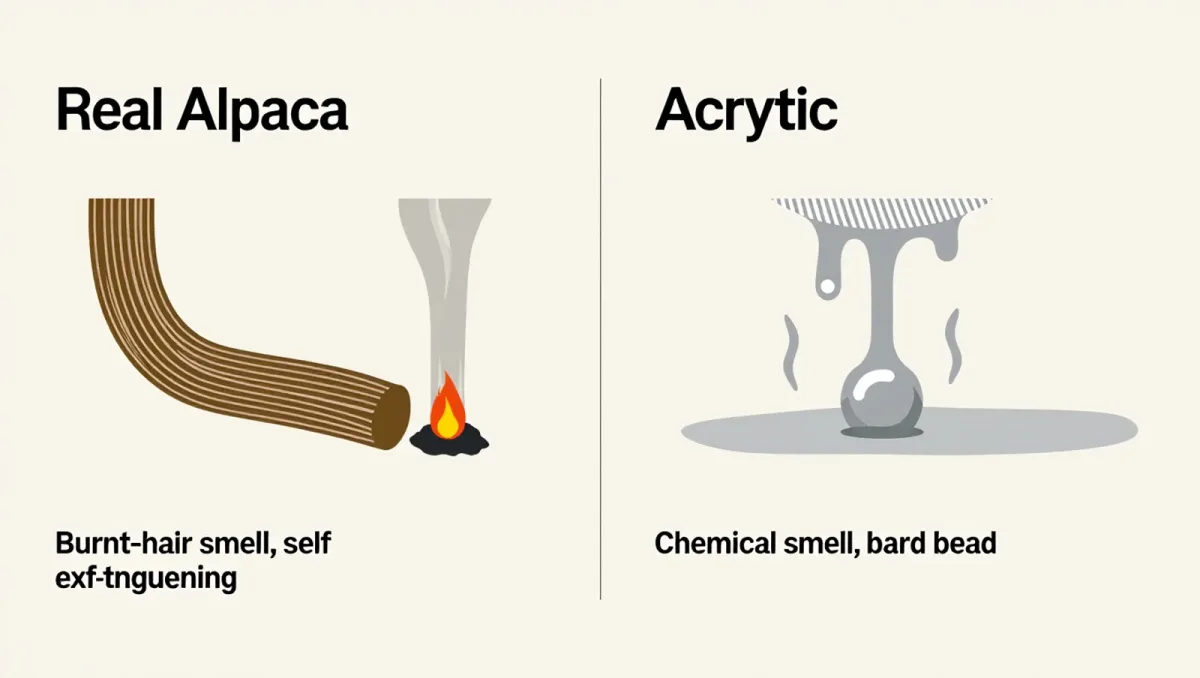
- The burn test, done by the seller. A strand burned by an experienced vendor tells all: real alpaca and wool smell like burnt hair, ash to dark powder, and the flame self-extinguishes. Acrylic melts into a hard plastic bead with a chemical smell. Ask the seller to demonstrate on a fringe thread — reputable stalls do it on request.
- The touch test. Alpaca feels cool at first contact and warms slowly; acrylic feels synthetic-slick and pills quickly when rubbed.
- The label reality. “Alpaca blend” legally means mostly acrylic in many market pieces. Blend is not fraud when priced like blend — it is fraud only when sold as 100% alpaca.
What about the Panama hat paradox?
The “Panama hat” is Ecuadorian, historically shipped through Panama to canal workers, and the finest weave grades come from Ecuadorian coastal workshops. At Otavalo, standard market hats are machine-assisted weaves at $15–$35; a true fine-weave hat can represent weeks of hand work and prices accordingly. A seller claiming a $20 hat took “a month to weave” is telling you a story — the weave density tells the truth: hold it to the light and count the rows per inch.
When should you go — Saturday or a weekday?
Saturday is the spectacle: animals traded at dawn on the outskirts, the full textile market filling Plaza de los Ponchos (Plaza de Ponchos) from roughly 7:00 a.m. to 6:00 p.m., per local tourism information, checked July 2026. Weekdays run a smaller market in the same plaza with the same stalls and easier walking. The workshops in Peguche and Carabuela villages, a short ride north, sell at workshop prices and show the looms — the best answer to “who made this?”
How do you get there from Quito?
Otavalo sits about 90 km north of Quito: two hours by bus from the Ofelia terminal (roughly $2.50–$3.50, checked July 2026) or 90 minutes by private car. Day trippers leave Quito by 7:00 a.m.; overnight visitors catch the dawn animal market and the quiet morning plaza, which is the better trip.
The bottom line
Buy the weaving, not the story: ask for the burn test, price acrylic as acrylic, pay real prices for real alpaca, and walk the two blocks past the plaza to find the workshops where the looms run all week.
What does the animal market add at dawn?
Outside town, the Saturday livestock trading starts around 5:00–7:00 a.m. and is a working agricultural market, not a show: pigs, sheep, cattle and guinea pigs change hands with cash and handshakes. Visitors are tolerated, not catered to — stay at the edge, ask before photographing, and expect it to end abruptly once trading closes, per local tourism guidance checked July 2026. It is the reason overnight visitors get the better Otavalo: the dawn market, breakfast, then the plaza by 9:00 before the buses arrive.