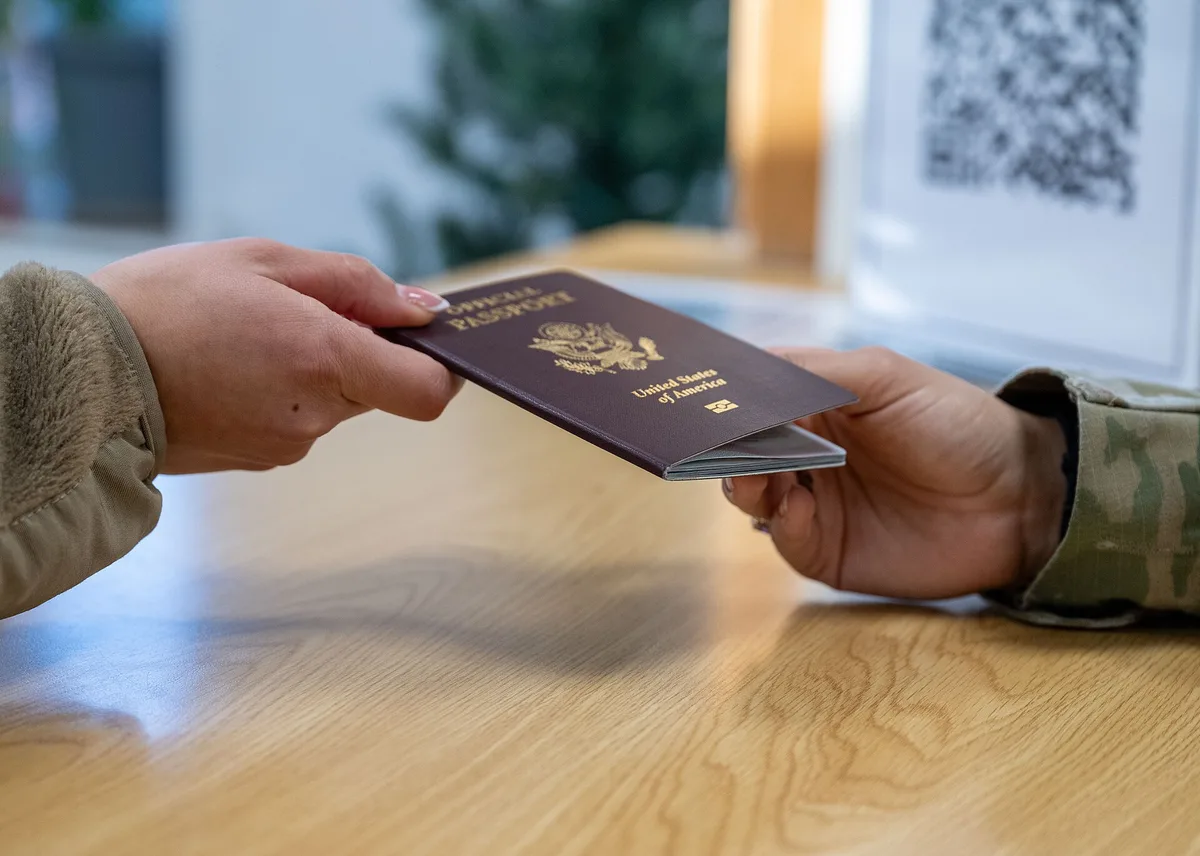
The counter at the Post Office on a Tuesday morning tells the story: a folding table, a clipboard, and someone realizing their flight leaves in three weeks. If a trip is on the calendar, the passport processing time question matters more than the hotel question. The short answer, per the official guidance, is to apply as soon as you know you're traveling — at least several months in advance, since processing times vary.
That is not a scare line. It is what the system itself says. USPS, which accepts first-time applications at thousands of Post Offices on behalf of the State Department, puts it plainly: apply early and check the State Department's latest service estimates, because they change. This guide walks through who renews how, what it costs at the counter, and what to do while you wait.
Who can renew by mail — and who has to show up in person?
Start here, because it decides your whole timeline. If you're eligible to renew, you must renew by mail or online. You cannot renew in person at a Post Office, no matter how tempting the short line looks.
If you've never had a U.S. passport, you're 16 or under, or you're not allowed to renew by mail, you apply in person. That means an appointment. USPS directs applicants to its online scheduler or a lobby self-service kiosk, where you pick the service you need, choose a location and time, and get a confirmation number. Walk-ins are not the plan. This connects to our earlier piece, Japan's Tax-Free Shopping Rules Change on November 1, 2026 — What Shoppers Need to Plan Ahead.
First-timers should also know one small trap: fill out Form DS-11 online, print it, and do not sign it until the Postal employee witnesses your signature. Sign early and you start over.
What does it actually cost?
The fees come in two parts, and they go to two different places.
- The Post Office acceptance fee is $35.00, paid in person by check, money order, debit card, or credit card, payable to "Postmaster."
- A passport photo at the Post Office runs $15.00 if you need one. Many locations also take the digital photo required for online renewals, for a fee.
- State Department fees are separate and vary. You calculate them online, and you mail payment with your application — personal, certified, cashier's, or traveler's check, or a money order, payable to "U.S. Department of State."
Here's the part that trips people up: you cannot pay State Department fees with a credit or debit card. Bring a check or buy a money order at the Post Office with cash or a debit card. Faster processing and photos are extra on top of the base fees.
How do you fill out the forms without errors?
The State Department's own Passport Forms page offers a Form Filler for the main applications — DS-11 for a first passport, DS-82 for renewal by mail, DS-5504 for name changes and data corrections, and DS-64 for a lost or stolen passport. Fill them online and print. The Form Filler exists to cut down errors, and errors are what slow an application down.
Before your appointment, photocopy your proof of identity and citizenship documents. The USAGov passport page is the official guide to what you'll need, and the State Department site spells out the document list for each application type. Showing up with the wrong paperwork costs you a second appointment, and second appointments can be weeks out.
What happens after you apply?
You wait, and the waiting has a shape. USPS notes that you may not be able to get a status update for two weeks after you apply, because your application and supporting documents are physically on their way to the State Department. Don't panic at day ten. Check the online passport status system after that window, and check the State Department's current processing-time estimates rather than a forum post from last year.
What this means for your planning: build the unknown into the calendar. The official advice to apply several months ahead exists precisely because the wait isn't fixed. If your departure date is tight, the honest move is to talk to the State Department's own expedited options and life-or-death emergency channels, which they document on their site — not to a third-party service promising miracles for a markup.
How does this fit a shopping trip abroad?
A passport is step one; the paperwork at the other end is step two. If the trip is about buying — and on this site, it often is — pair your timeline planning with the money side. Our guide to how much you can bring home duty-free covers the limits before you pack an extra suitcase, and the companion piece on what US customs duty you'll actually pay on souvenirs explains the bill that can follow you home. More practical pieces live in our guides section, and new developments land in travel news. Readers following this should also see How Much Can You Bring Home Duty-Free From a Shopping Trip?.
Practical steps: your pre-flight checklist
Our analysis of the official guidance boils down to a short list, in this order:
- Check your passport's expiration date today, not the week before booking.
- Confirm whether you renew by mail or online, or must apply in person.
- If in person, book the Post Office appointment online or at a lobby kiosk — and bring unsigned forms, photocopies, and a check or money order for the State Department fee.
- Fill forms through the State Department's Form Filler to cut errors.
- Apply months ahead, per the official recommendation, and check current processing estimates rather than old figures.
- Expect no status update for roughly the first two weeks while your application moves to the State Department.
The evidence here is straightforward: the system rewards early applicants and punishes assumptions. The fees are fixed and published. The appointment is bookable. The one number nobody at the counter can promise you is the exact wait — which is exactly why the official advice is to start early, check the current estimates, and never book a flight around a best case.